

Melbourne’s growing housing demand has created a need for structural systems that can be delivered quickly, assembled accurately, and maintained with minimal effort over time. In this context, residential steel frame fabrication and delivery in Melbourne has become a go-to solution for builders and developers working on everything from single dwellings to large-scale residential complexes.
Builders tackling high-density housing are particularly reliant on efficient fabrication and logistics. Many projects such as multi-storey steel framing Melbourne developments rely on carefully coordinated steel production, packaging, and delivery schedules to avoid delays and reduce on-site congestion.
For residential builders, steel provides both performance and speed—key factors in a competitive housing market.
Introduction to Steel Frame Systems for Homes
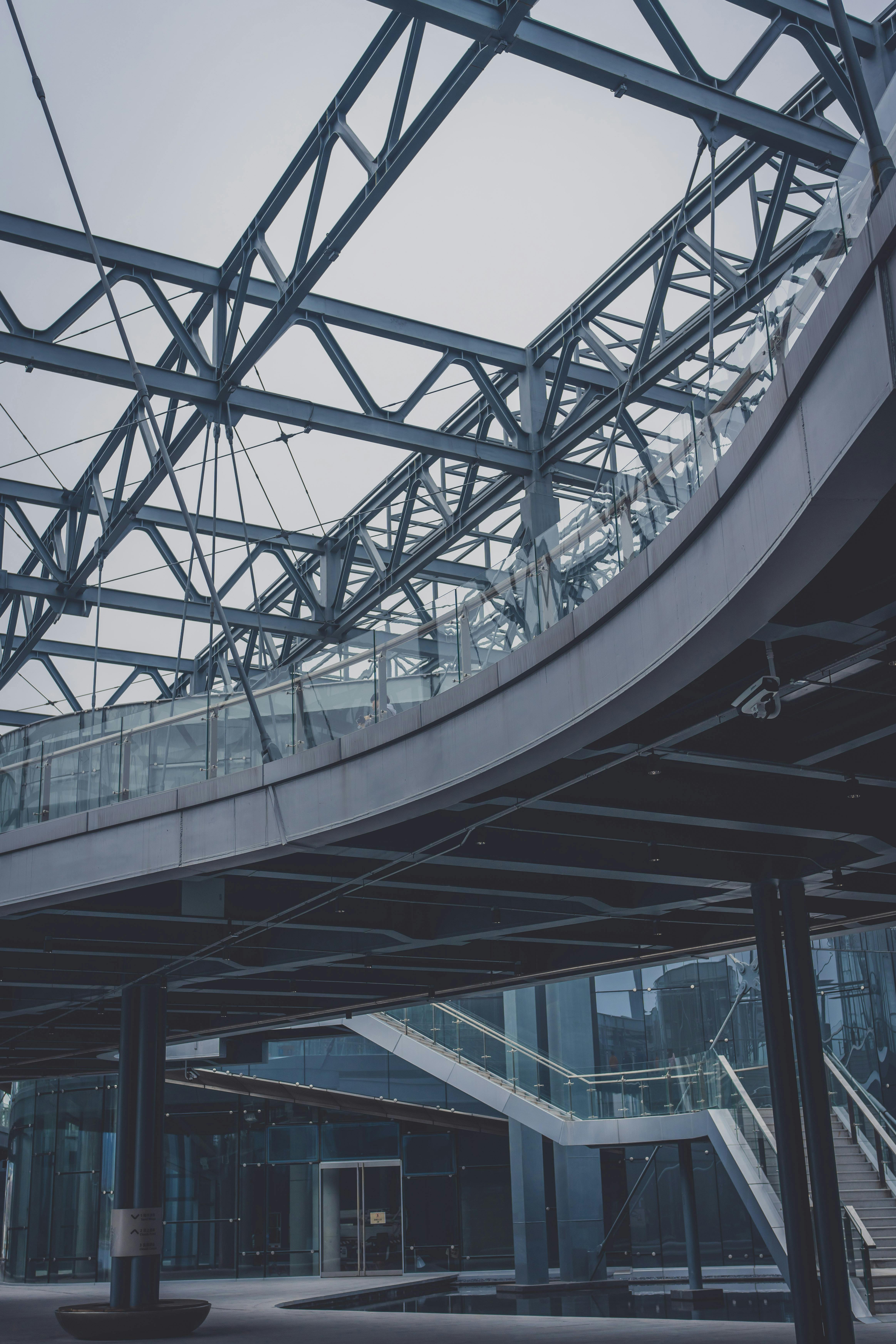
How Steel Framing Works in Residential Projects
Steel framing in housing refers to a structural system composed of cold-formed steel sections such as wall studs, floor joists, roof trusses, and bracing members. These components are fabricated off-site and delivered as pre-cut, pre-punched bundles that are ready for on-site installation.
Unlike timber, which can warp or shrink due to environmental conditions, steel frames maintain their shape and strength throughout the building’s life. This reliability is particularly valuable in residential projects with short timelines or tight tolerances for finishes.
Application Across Melbourne’s Suburbs
From new estates in outer suburbs to infill developments closer to the city, steel framing suits a range of site types. Whether a builder is managing multiple townhouses or constructing a custom-designed family home, the steel fabrication process allows framing systems to be customised and repeated as needed—supporting consistent results.
Benefits of Steel Frame Fabrication and Delivery
Precision and Consistency
Steel frames are fabricated using CAD and CNC machinery, which means each component is cut and punched to exact dimensions. This precision ensures the finished product aligns perfectly with architectural and structural plans. Studs are straight, trusses are symmetrical, and spacing is consistent across every level.
Once on-site, this accuracy speeds up installation and makes it easier for follow-on trades to work efficiently. Wall linings, insulation, and services all benefit from aligned framing.
Fast Turnaround Times
Because frames are manufactured off-site, the framing process can begin while the site is still being prepared. This parallel workflow shortens overall build time. Once the slab is poured and cured, frames arrive and are erected without delay.
Efficient production and logistics also allow builders to manage tight handover schedules, especially important in developments involving multiple units or staged occupancy.
Strength Without Weight
Steel frames provide excellent structural strength while remaining lightweight. This makes them easier to transport, lift, and assemble—particularly on sites with limited crane access. For multi-storey builds, the reduced weight also lowers demands on foundations, which may reduce excavation and engineering costs.
Fabrication Workflow for Residential Projects
Initial Design and Engineering
Each steel frame package starts with the building’s architectural drawings. These are converted into detailed structural layouts using specialised design software. Load calculations, wind ratings, and other compliance requirements are integrated into the design phase.
Frames are modelled in 3D, which allows the engineering team to detect conflicts and fine-tune member placement. This process helps ensure that frames meet the specific needs of the building site and the builder’s preferred sequencing approach.
CNC Cutting and Labelling
Once designs are finalised, fabrication begins. Galvanised steel coils are fed into roll-forming machines that produce each frame member. Studs, tracks, noggings, and bracing are cut, punched, and marked for assembly. Labels are applied to every piece, referencing their position and orientation within the frame layout.
This manufacturing approach eliminates the guesswork often required with manual framing systems and supports cleaner, more structured assembly on-site.
Quality Assurance Before Delivery
Before leaving the factory, frame bundles are inspected for alignment, labelling accuracy, and component integrity. Quality checks also verify that corrosion protection and punching tolerances meet required specifications.
Only after this quality control stage are the frames bundled, shrink-wrapped, and loaded onto transport vehicles for delivery.
Delivery and Site Assembly
Just-in-Time Delivery Strategy
To support efficient construction, steel frames are often delivered according to a just-in-time schedule. Wall frames, floor joists, and roof trusses arrive in the order they will be assembled. This reduces on-site storage requirements and allows installers to work continuously.
For Melbourne’s urban sites with space constraints, this staged delivery strategy helps keep worksites safe, clear, and productive.
Coordination With Trades and Build Sequence
Once delivered, steel frames are erected using lifting equipment or manual handling depending on project scale. Installers follow detailed frame layouts that match labelling on each component. Fasteners, connectors, and bracing systems are included in the frame package, along with fixing schedules.
The steel framing process supports clear scheduling for other trades. Service holes are pre-punched, allowing plumbers and electricians to begin work soon after frame completion.
Application in Different Home Types
Single Dwellings
For detached homes, steel framing allows for custom layouts, varied roof designs, and energy efficiency features such as higher ceiling insulation and cavity detailing. The frame package can include floors, walls, roof trusses, and tie-down systems.
Steel’s pest resistance is particularly helpful in suburban zones where termites are present, eliminating the need for chemical treatments.
Dual Occupancies and Townhouses
In side-by-side or stacked layouts, steel framing provides the strength needed for separating walls and multi-level structures. Builders can replicate frame designs across multiple units, saving time and reducing design duplication.
Because framing members are consistent across builds, trades benefit from predictable layouts, helping them complete each unit efficiently.
Multi-Storey Residential Projects
Projects involving three or more storeys require engineered frame systems that account for cumulative loads and lateral forces. Steel framing is well-suited to this requirement. Floor joists, inter-tenancy walls, and roof structures can all be customised for acoustic performance, service routing, and fire rating.
For multi-storey steel framing Melbourne developments, detailed fabrication and delivery schedules are essential to manage crane use, access timing, and structure sequencing. Off-site framing provides a predictable foundation for these large-scale residential builds.
Safety and Compliance Considerations
Compliance With Australian Standards
All steel frames for residential use must meet AS/NZS 4600 for cold-formed steel structures. Engineering teams also ensure compliance with the National Construction Code (NCC), covering structural adequacy, fire safety, and energy performance.
Builders receive documentation with their frame packages, including engineering certification, layout diagrams, and fixing requirements.
Fire Safety and Bushfire Resistance
Steel is non-combustible and suitable for use in homes located within bushfire-prone zones. Framing systems can be detailed to meet BAL requirements, including ember protection and sealed cavity design.
With the increasing frequency of high-risk fire events, steel provides added reassurance for homeowners and certifiers alike.
Frequently Asked Questions
Are steel frames noisy during high winds?
No, when installed correctly with proper fasteners and bracing, steel frames do not produce significant noise. Rattling or creaking is typically the result of poor installation, not the frame material itself.
Can cladding and linings be fixed to steel frames?
Yes, all standard cladding systems—including brick veneer, weatherboards, and cement sheet—can be fixed to steel framing using appropriate fasteners. Internally, plasterboard and insulation systems are installed using common construction methods.
Do steel frames rust over time?
No, galvanised steel used in residential framing is treated with protective coatings that prevent corrosion. When installed and maintained correctly, steel frames will last for decades without rusting or degradation.
Conclusion
The move toward faster and more accurate construction continues to shape how homes are built across Victoria. Residential steel frame fabrication and delivery in Melbourne provides the backbone for projects that demand speed, precision, and long-term durability.
From single dwellings to multi-storey steel framing Melbourne builders manage, the benefits of steel fabrication are evident in every corner of the housing market.
Off-site production, streamlined logistics, and reliable engineering give builders greater control over their projects. Homeowners benefit from termite resistance, fire protection, and frames that stay true for decades. As demand for smarter construction grows, steel framing is delivering practical answers for Melbourne’s evolving residential landscape.
