

The construction industry in Australia has increasingly embraced steel roof truss fabrication and supply services as a practical alternative to timber systems. With a growing focus on structural reliability, speed of installation, and long-term durability, builders are now relying on steel trusses for residential, commercial, and industrial roofing. Designed for high-performance and engineered to comply with strict national standards, steel trusses offer a versatile solution for modern roof construction.
In areas such as Melbourne, where demand for lightweight construction and non-combustible materials is rising, suppliers of steel stud framing Melbourne builders trust are also expanding their capabilities into roof truss fabrication. These services offer comprehensive support, from concept to delivery, ensuring every roof system meets both architectural intent and structural requirements.
The Role of Steel Trusses in Modern Roofing
Structural Reliability Under Load
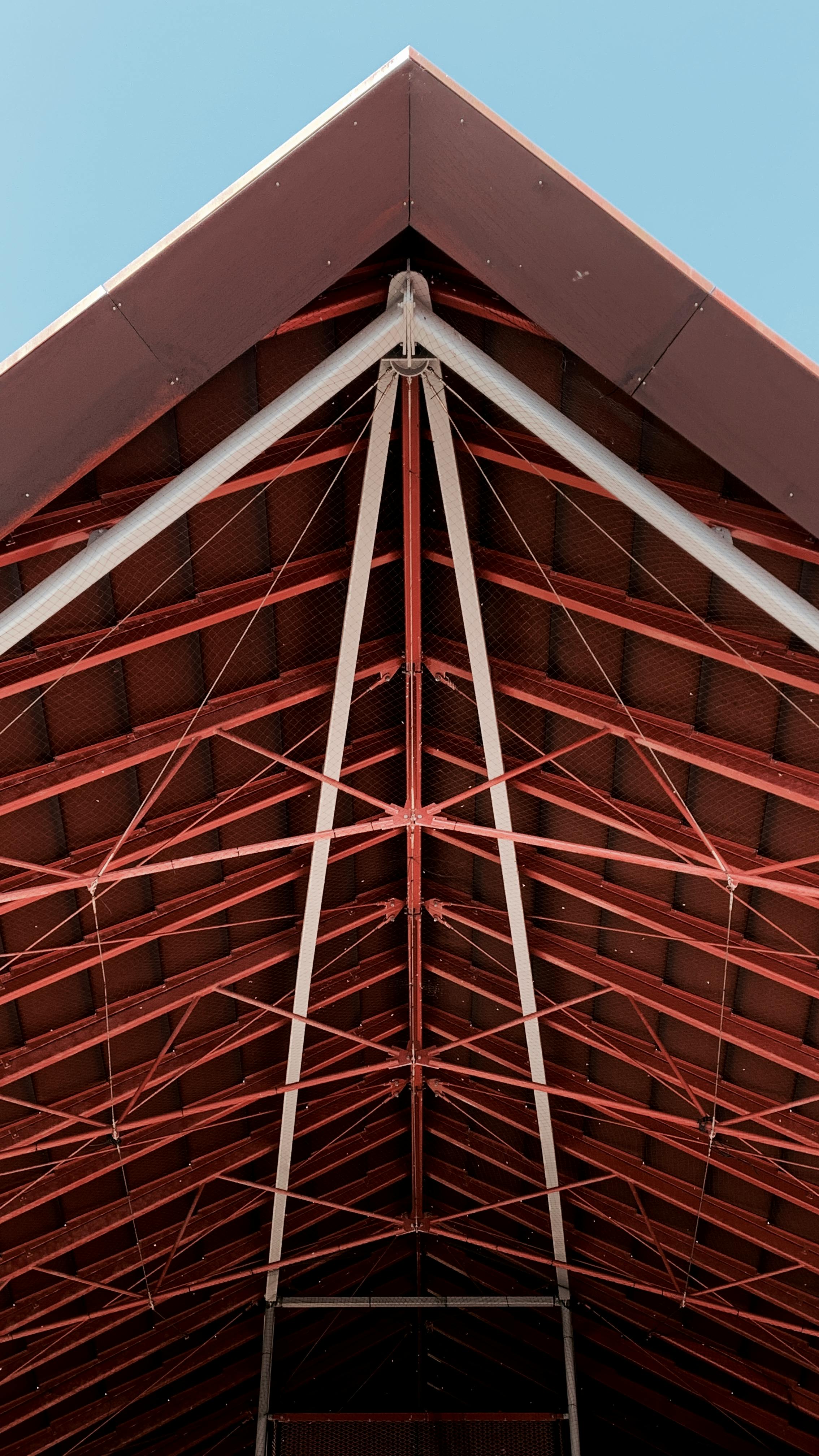
Steel trusses are engineered to support a variety of roof loads, including wind uplift, live loads, and dead loads from roof cladding and insulation. Their ability to distribute weight evenly across supporting walls makes them ideal for large-span buildings, including warehouses, schools, and wide residential layouts.
Unlike timber, steel does not shrink, split or twist under stress, which protects the integrity of the roof structure over time.
Adaptability to Roof Shapes and Spans
One of the key advantages of steel trusses is their flexibility. Whether the design calls for gable, skillion, hip, or custom truss profiles, fabrication services can tailor trusses to fit complex roof geometries. Trusses are also well-suited to long spans without internal supports, allowing for open-plan interior spaces.
Design teams can include overhangs, cantilevers and roof voids without compromising strength or stability.
Consistency in Performance
All components in a steel truss system are cut and assembled with high precision. This accuracy ensures consistent structural performance, fewer errors during installation, and easier coordination with other trades. Builders benefit from reduced call-backs, while clients enjoy a better-finished product with long-term durability.
Benefits of Steel Roof Truss Fabrication and Supply Services
Speed of Construction
Prefabricated steel trusses are delivered ready for assembly, reducing time spent on site. Components are labelled and sequenced for fast lifting and connection, allowing crews to complete roof installation quickly and efficiently. This is especially valuable in projects where weather or tight deadlines could delay progress.
Time saved during framing also allows follow-on trades, such as roofing, electrical and insulation, to begin sooner.
Lightweight but Strong
Steel is lighter than hardwood alternatives while offering greater tensile strength. This makes transport and crane lifting easier and reduces the stress on walls and foundations. The reduced weight supports cost-effective footing design, particularly for multistorey or modular buildings.
In multi-unit developments, lightweight trusses allow stacking and structural alignment with minimal site variation.
Non-Combustible and Pest-Resistant
Steel roof trusses do not burn, making them ideal for projects located in bushfire-prone areas. When combined with compliant roof cladding and insulation, steel roof systems can meet high Bushfire Attack Level (BAL) ratings. Steel is also immune to termites and other pests that affect timber, reducing the need for chemical treatments or ongoing inspections.
For schools, hospitals, and public infrastructure, non-combustible framing is an asset for long-term safety compliance.
Fabrication and Supply Process
Design and Engineering Review
Before fabrication begins, the project is assessed by qualified designers and engineers. Roof geometry, load paths, wind ratings and spans are all considered. The trusses are then modelled using structural software, ensuring they meet both site-specific requirements and Australian Standards such as AS/NZS 4600 and AS 4055.
This pre-fabrication planning reduces the risk of error during installation and streamlines the certification process.
Prefabrication and Quality Checks
Once approved, steel truss components are cut, punched and assembled using computer-guided machinery. Joints are precision-fixed using rivets or screws, depending on the design. Quality control is maintained throughout, and each truss is inspected for dimensional accuracy and structural integrity.
Prefabrication also includes allowance for service penetrations, bracing points, and lifting arrangements.
Delivery and Installation Support
Trusses are delivered to site either pre-assembled or in kit form. Deliveries are scheduled to match site readiness, and lifting plans are supplied. Some providers also offer installation services or support installers with detailed erection drawings, connection details, and product specifications.
This assistance ensures the frame is built as designed and helps maintain compliance with structural engineering certifications.
Types of Projects Supported
Residential Homes
Steel trusses are increasingly used in custom homes, project housing and townhouses. Their light weight and spanning ability allow for creative roof forms, vaulted ceilings and attic storage. They also work well with steel wall frames and flooring systems to provide a full-frame solution.
For builders working on multiple dwellings, using steel trusses streamlines project coordination and quality control.
Commercial Buildings
Retail spaces, offices, and showrooms benefit from open internal layouts, which are made possible by clear-span steel trusses. Roofs can accommodate skylights, solar systems and plant platforms without affecting structural safety. Truss systems also reduce internal columns, improving floorplan flexibility.
Steel framing provides the durability needed for commercial buildings expected to perform for decades under high-traffic use.
Industrial Facilities
Warehouses, depots and light manufacturing facilities require large open spaces and robust roof support. Steel trusses handle wide spans and heavy roof loads, including crane rails, solar arrays, and large ventilation systems. Trusses can be designed for ongoing modification, allowing future building expansion or layout changes.
Suppliers often work with industrial builders to deliver steel roof structures that match speed and structural demand.
Integration with Other Building Systems
Roof Cladding and Insulation
Steel trusses support all common roof cladding types, including metal sheet roofing, tiles and insulated panels. The truss layout is designed to match batten spacing, roof fall and drainage systems. This integration simplifies roofing work and improves water runoff and thermal performance.
Insulation systems can be fitted between or above trusses without affecting structure, allowing builders to meet energy efficiency targets.
HVAC and Service Routing
Modern buildings require extensive air conditioning, electrical and plumbing services. Steel truss layouts include service holes or clear spaces for ducting and cable trays. Trusses are coordinated with ceiling systems to ensure sufficient clearance for internal fittings.
This reduces conflict between trades and supports a smoother construction timeline.
Internal Linings and Ceiling Systems
Steel trusses can be used with suspended ceiling systems, raked ceilings, or exposed feature trusses. The accuracy of prefabricated trusses improves ceiling alignment, reducing visible defects in finished plasterboard. For decorative or acoustic ceilings, steel framing provides a reliable support system.
This consistency is especially valuable in projects where visual finishes are a key part of the architectural brief.
Frequently Asked Questions
Are steel roof trusses more expensive than timber?
Upfront material costs for steel trusses may be higher, but the total cost of ownership is often lower. Faster installation, reduced maintenance and longer lifespan make steel a cost-effective choice over time.
Can steel trusses be used in coastal areas?
Yes. Trusses can be galvanised or treated with protective coatings to resist salt corrosion. Properly coated steel performs well in coastal climates when installed with appropriate flashing and ventilation.
How long do steel roof trusses last?
Steel trusses, when properly installed and maintained, can last over 50 years. Their resistance to pests, moisture and movement ensures long-term performance without degradation.
Conclusion
Engaging steel roof truss fabrication and supply services delivers real value to modern construction projects across Australia. Whether it’s for residential homes, commercial buildings or industrial sheds, steel trusses offer speed, precision and reliability that timber systems often struggle to match.
With pre-engineered solutions backed by compliance with Australian Standards, these systems support safe and efficient construction. Builders working with steel stud framing Melbourne suppliers can now access integrated structural systems that span walls, floors and roofs—reducing complexity and improving project consistency.
Steel trusses support better roof performance, less maintenance and faster installation—all while enabling flexible, open and architecturally-driven roof design. When paired with experienced suppliers, the transition to steel roof systems becomes a straightforward step towards long-lasting construction outcomes.
