

A child’s smile is one of the most precious expressions of happiness and confidence. Behind that smile lies a developing set of teeth and gums that require proper care from the earliest stages of life. Kids’ dental care plays a crucial role in ensuring that children grow up with strong, healthy teeth while developing habits that support long-term oral health.
Many parents focus on teaching their children how to brush and floss, but professional dental care is equally important in maintaining a child’s oral well-being.
Children’s teeth begin developing even before birth, and the first baby teeth usually appear during infancy. These primary teeth may eventually fall out, but they serve important functions during childhood. They help children chew food properly, support speech development, and guide permanent teeth into their correct positions. Because of these important roles, maintaining the health of baby teeth is essential.
Parents often wonder when they should introduce their child to professional dental care. Some assume that dental visits are only necessary when a child develops a full set of teeth or when dental problems arise.
However, dental professionals recommend much earlier visits. Early dental care allows dentists to monitor the growth and development of the child’s mouth, identify potential issues early, and provide guidance to parents on maintaining good oral hygiene habits.
Introducing children to the dentist at the right time can also help them develop positive attitudes toward dental care. When dental visits are presented as a normal and comfortable part of health care, children are less likely to develop fear or anxiety about dental appointments.
Kids’ Dental Care includes preventive services, routine examinations, education for parents and children, and treatments that address common dental issues during childhood. Pediatric dentists and family dentists who treat children are trained to create a friendly and supportive environment that helps young patients feel safe and comfortable.
Understanding when to schedule a child’s first dental visit is an important step in protecting their oral health. This article explores the importance of early dental care, explains how children’s teeth develop, and answers a question that many parents ask when caring for their child’s smile: at what age should a child have a dentist?
By learning about the benefits of early dental care, parents can take proactive steps to support their child’s oral health and set the foundation for a lifetime of healthy smiles.
The Importance of Kids’ Dental Care
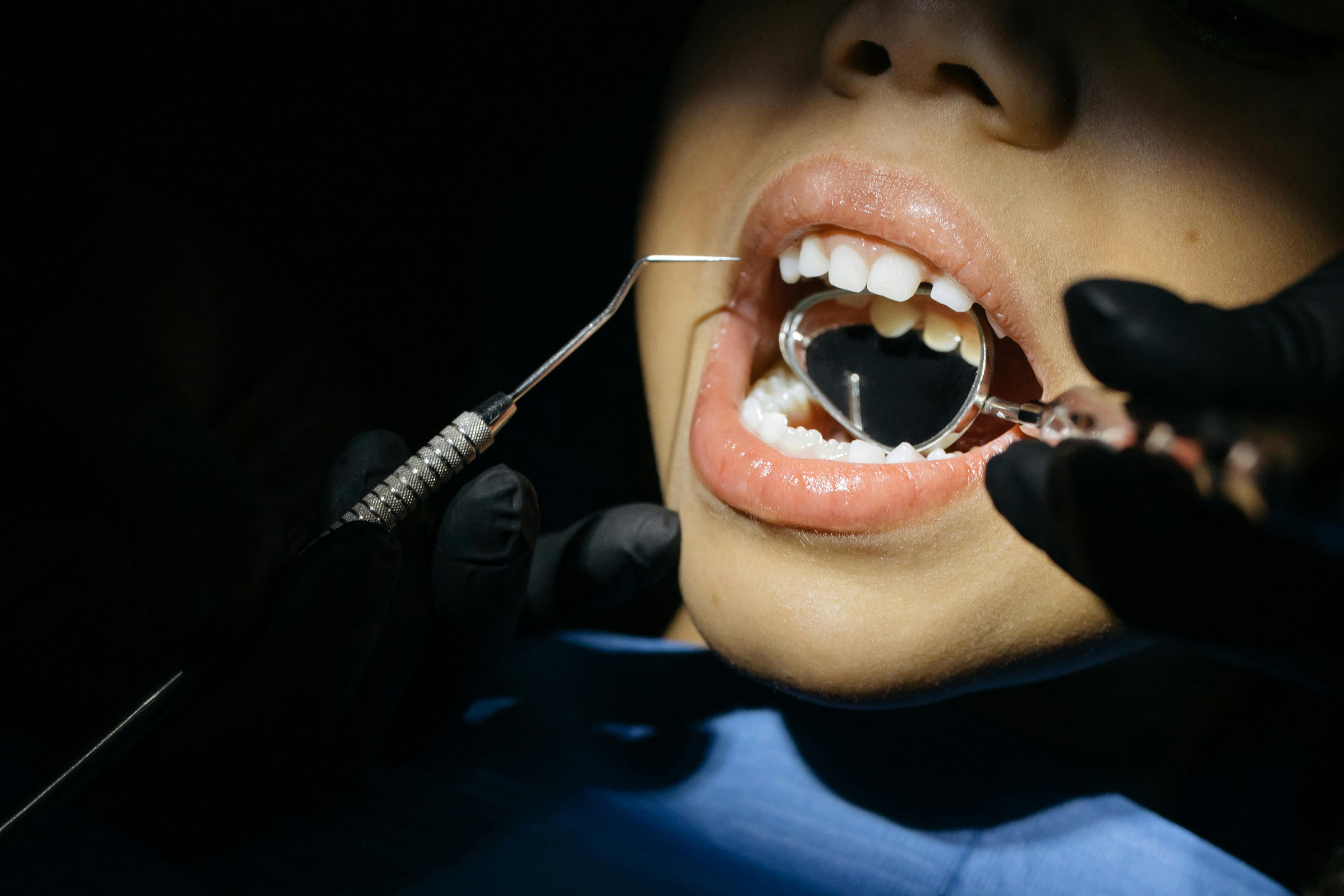
Kids’ dental care is an essential part of a child’s overall health and development. Healthy teeth and gums allow children to eat comfortably, speak clearly, and smile with confidence.
Supporting Proper Tooth Development
Children’s teeth develop in stages as they grow. The first set of teeth, known as primary or baby teeth, usually begins to appear around six months of age. By the time a child reaches three years old, most of the primary teeth have emerged.
Although baby teeth eventually fall out, they serve important roles during childhood. These teeth help children chew food effectively and play a key role in speech development. They also act as placeholders for permanent teeth, guiding them into their proper positions.
Proper dental care ensures that these early teeth remain healthy until they are naturally replaced by permanent teeth.
Preventing Early Childhood Cavities
Tooth decay is one of the most common chronic conditions affecting children. Cavities can develop when plaque bacteria interact with sugars in food and produce acids that damage tooth enamel.
Without proper care, cavities can lead to pain, infection, and difficulty eating or speaking. Preventive dental care helps protect children’s teeth from decay by promoting healthy habits and providing professional treatments such as fluoride applications and dental sealants.
Encouraging Lifelong Oral Hygiene Habits
Early dental experiences play a significant role in shaping a child’s attitude toward oral health. When children learn about brushing, flossing, and dental visits at a young age, they are more likely to continue these habits throughout their lives.
Dentists also educate parents on how to care for their child’s teeth at home, ensuring that good oral hygiene practices become part of the family routine.
At What Age Should a Child Have a Dentist
One of the most common questions parents ask is when their child should first visit the dentist.
The Recommended Age for a First Dental Visit
Most dental organisations recommend that children visit the dentist by their first birthday or within six months after the first tooth appears.
Although this may seem early to some parents, early dental visits provide valuable opportunities to monitor oral development and prevent potential dental problems.
These visits allow dentists to check for signs of tooth decay, examine the child’s gums and jaw development, and ensure that the teeth are emerging properly.
The Purpose of Early Dental Appointments
Early dental visits are not only about examining the child’s teeth. They also provide parents with guidance on how to care for their child’s oral health.
Dentists can offer advice on topics such as proper brushing techniques, teething management, and dietary habits that support healthy teeth.
These visits also help children become familiar with the dental environment, reducing anxiety during future appointments.
Building Comfort with the Dental Environment
Introducing children to the dentist at a young age helps them become comfortable with dental visits. When the first appointment occurs before any dental problems arise, the child is more likely to associate the dentist with positive experiences.
This early familiarity can reduce fear and help children develop confidence during dental visits.
What Happens During a Child’s First Dental Visit
A child’s first dental visit is typically simple, gentle, and focused on building trust between the dentist, the child, and the parents.
Oral Examination
The dentist begins by examining the child’s mouth to check the health of the teeth, gums, and oral tissues. The dentist looks for signs of early tooth decay, gum irritation, or developmental issues.
The dentist may also evaluate how the teeth are erupting and whether the child’s bite appears normal.
Gentle Cleaning
In some cases, the dentist may perform a gentle cleaning to remove plaque from the teeth. This helps maintain oral hygiene and introduces the child to basic dental procedures.
Parental Guidance
Parents often receive valuable guidance during the first dental visit. Dentists may provide advice on brushing techniques, teething comfort strategies, and the appropriate use of fluoride toothpaste.
These discussions help parents understand how to care for their child’s teeth at home.
Common Dental Services for Children
Kids’ dental care includes a variety of preventive and treatment services designed to protect young smiles.
Routine Dental Check Ups
Routine dental check-ups allow dentists to monitor the child’s oral health and detect any potential problems early. These visits usually occur every six months.
During check-ups, dentists examine the teeth, gums, and jaw development while also assessing oral hygiene habits.
Professional Dental Cleanings
Professional cleanings help remove plaque and tartar that may accumulate on children’s teeth. Dental hygienists use gentle tools to clean the teeth and polish them.
These cleanings help prevent cavities and maintain healthy gums.
Fluoride Treatments
Fluoride treatments strengthen tooth enamel and protect against cavities. Dentists apply fluoride in the form of gel, foam, or varnish during dental visits.
This treatment helps reinforce the teeth’s natural defences against decay.
Dental Sealants
Dental sealants are protective coatings applied to the chewing surfaces of back teeth. These teeth often have deep grooves where food particles can become trapped.
Sealants create a barrier that prevents bacteria from causing cavities in these areas.
Helping Children Maintain Healthy Teeth at Home
Parents play an important role in supporting their child’s oral health between dental visits.
Teaching Proper Brushing Techniques
Children should brush their teeth twice a day using fluoride toothpaste. Parents should supervise brushing to ensure that children clean all areas of their teeth.
Encouraging Healthy Eating Habits
Limiting sugary snacks and beverages helps reduce the risk of cavities. Encouraging a balanced diet that includes fruits, vegetables, and dairy products supports strong teeth.
Establishing Consistent Dental Routines
Creating regular brushing and flossing routines helps children develop lifelong oral hygiene habits.
Frequently Asked Questions
Why are baby teeth important if they eventually fall out?
Baby teeth help children chew food properly, support speech development, and guide the alignment of permanent teeth.
How often should children visit the dentist?
Most children should visit the dentist every six months for routine check-ups and preventive care.
What can parents do to prevent cavities in children?
Parents can help prevent cavities by encouraging proper brushing, limiting sugary foods, and scheduling regular dental visits.
Conclusion
Kids’ dental care plays a vital role in protecting children’s oral health and supporting the development of strong, healthy teeth. Early dental visits allow dentists to monitor oral development, provide preventive care, and educate parents on maintaining proper oral hygiene for their children.
Understanding when to schedule a child’s first dental visit helps parents take proactive steps toward maintaining their child’s smile. Introducing children to the dentist by their first birthday allows dental professionals to detect potential issues early and guide families toward healthy oral habits.
By combining professional dental care with consistent oral hygiene practices at home, parents can help their children build a strong foundation for lifelong dental health and confident smiles.
