

Commercial vehicles have become one of the most important assets for businesses across Australia. Industries such as construction, logistics, mining, agriculture, plumbing, telecommunications, electrical services, utilities, and maintenance all depend heavily on reliable vehicles to transport workers, tools, and equipment efficiently.
Modern businesses no longer use commercial vehicles only for transportation because these vehicles now function as mobile workspaces that directly affect productivity, organisation, safety, and customer service.
As industries continue evolving and operational demands become more specialised, businesses increasingly require customised vehicle solutions tailored to specific workflows and workplace environments.
This has significantly increased the demand for fleet vehicle customisation. Companies now invest in modifications and fit-outs designed to improve storage capacity, workflow efficiency, vehicle safety, equipment protection, and long-term operational performance.
Many business owners and fleet managers often ask an important question when considering vehicle modifications: how much would it cost to customise a car? The cost of customising a car or commercial vehicle can vary greatly depending on the type of modifications, materials used, labour requirements, and level of customisation involved.
Basic modifications such as storage systems, lighting upgrades, or vehicle wraps may cost a few hundred to several thousand dollars, while complete commercial fit-outs involving canopies, service bodies, refrigeration systems, electrical integration, and advanced fleet technology can cost significantly more.
Fleet Vehicle Customisation plays a major role in helping businesses create practical and efficient mobile workspaces suited to industry-specific operations. Properly customised vehicles improve organisation, reduce downtime, support worker productivity, and enhance operational reliability across a wide range of industries.
This guide explores fleet vehicle customisation, explains the factors that influence customisation costs, discusses common commercial modifications, and examines the many long-term benefits businesses gain through professionally customised fleet vehicles.
Understanding Fleet Vehicle Customisation
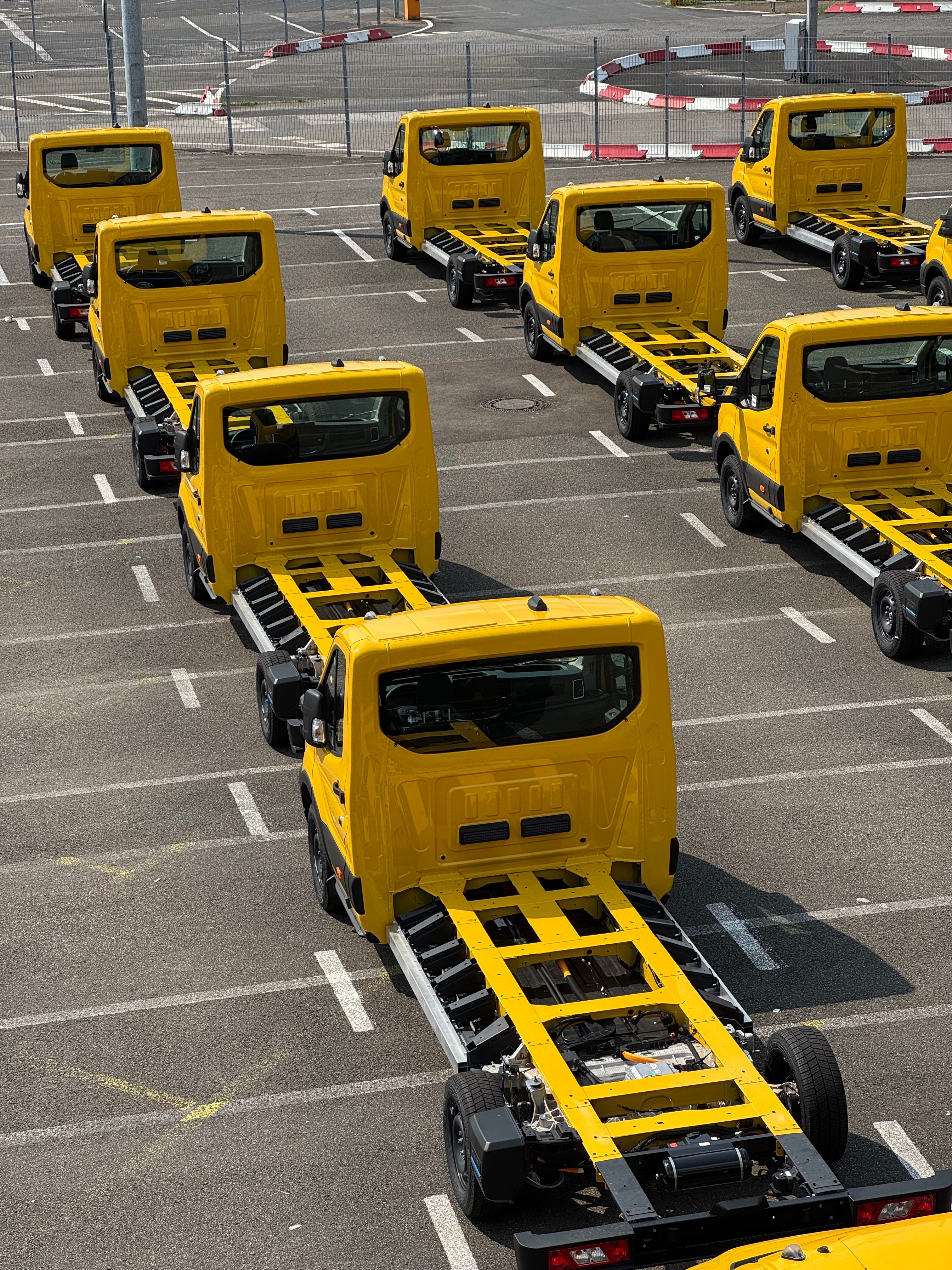
Fleet vehicle customisation refers to the process of modifying commercial vehicles to improve their functionality, appearance, safety, organisation, and operational suitability for specific industries or business requirements.
Customisation can involve simple upgrades such as toolboxes, lighting systems, and protective accessories, or more advanced modifications including service bodies, refrigeration systems, electrical fit-outs, mobile workstations, and digital fleet management technology.
The main purpose of fleet vehicle customisation is to create vehicles that better support daily business activities. Standard factory vehicles often lack the storage systems, workspace functionality, and operational features needed in demanding commercial environments.
Modern businesses rely heavily on customised vehicles because mobile workforces require practical solutions that improve efficiency while supporting field operations. A properly customised fleet vehicle allows workers to access tools quickly, transport equipment safely, and maintain better organisation throughout the workday.
Fleet customisation has become increasingly important across Australian industries because businesses now recognise that vehicle efficiency directly affects productivity, safety, operational costs, and customer service quality.
How Much Would It Cost to Customise a Car
The cost of customising a car or commercial vehicle depends on several factors, including the type of modifications required, the materials used, labour complexity, vehicle size, and operational goals.
Basic Vehicle Modifications
Simple customisations generally involve lower costs and can include accessories such as floor mats, seat covers, toolboxes, window tinting, lighting upgrades, roof racks, or basic shelving systems.
These modifications are relatively affordable because they require less labour and minimal structural changes to the vehicle.
Many businesses begin with smaller upgrades before investing in larger commercial fit-outs as operational needs grow.
Medium-Level Fleet Customisation
Mid-range customisation projects often involve more functional modifications such as canopies, service bodies, ladder racks, cargo barriers, storage drawers, and communication systems.
These modifications require more extensive installation work and may involve electrical integration, structural reinforcement, or customised fabrication.
Medium-level fit-outs are commonly used by tradespeople, utility providers, and service-based businesses seeking better organisation and mobile workspace functionality.
Advanced Commercial Fit-Outs
Large-scale fleet customisation projects can become significantly more expensive because they involve complex systems and specialised engineering.
Advanced fit-outs may include refrigerated compartments, hydraulic systems, crane installations, heavy-duty service bodies, mobile workshops, integrated power systems, and digital fleet technology.
These projects are highly customised and designed specifically for operational requirements in industries such as mining, construction, logistics, and emergency services.
Factors That Influence Customisation Costs
Several factors affect the overall cost of fleet vehicle customisation.
Vehicle size and type influence material and labour requirements. Larger vehicles generally require more extensive modifications and stronger structural components.
The quality of materials also affects pricing. Aluminium systems may cost differently compared to steel or composite materials, depending on durability and operational needs.
Custom fabrication, electrical integration, specialised equipment, and advanced technology systems can further increase overall project costs.
Why Businesses Invest in Fleet Vehicle Customisation
Businesses invest in fleet customisation because properly equipped vehicles significantly improve operational performance and workplace efficiency.
Improving Vehicle Functionality
Commercial vehicles must support demanding operational requirements across different industries.
Customisation allows businesses to transform standard vehicles into highly practical workspaces equipped with organised storage systems, specialised compartments, and industry-specific features.
Improved vehicle functionality helps workers complete tasks more efficiently and safely.
Supporting Mobile Workspaces
Many employees spend most of their working hours operating from commercial vehicles rather than fixed office locations.
Fleet customisation helps businesses create mobile workspaces that include shelving systems, power outlets, workbenches, communication systems, and secure storage solutions.
Mobile workspace functionality improves productivity and operational flexibility.
Enhancing Professional Presentation
Professionally customised fleet vehicles create stronger customer impressions and improve brand credibility.
Well-organised and visually professional vehicles help businesses appear more reliable and operationally efficient.
Vehicle wraps, signage, and coordinated fit-outs also strengthen business branding and public recognition.
Common Types of Fleet Vehicle Customisation
Commercial fleets can be customised in many different ways depending on operational requirements and industry applications.
Service Bodies and Utility Trays
Service bodies and utility trays are among the most common commercial modifications.
These systems improve organisation through enclosed storage compartments, shelving systems, and accessible workspaces designed for field operations.
Tradespeople, maintenance providers, and utility companies commonly rely on service body customisation.
Canopies and Enclosed Storage Systems
Canopies provide enclosed protection for tools, equipment, and materials transported in commercial utes.
Businesses often customise canopies with drawers, shelving, lighting systems, and roof racks to improve operational efficiency.
Canopies are especially popular in construction, agriculture, and telecommunications industries.
Refrigerated Vehicle Modifications
Businesses transporting food, pharmaceuticals, or temperature-sensitive products require refrigerated fit-outs.
These modifications involve insulated compartments and refrigeration systems designed to maintain controlled transport conditions.
Healthcare, catering, and logistics industries commonly use refrigerated fleet vehicles.
Electrical and Power System Integration
Modern commercial vehicles often require onboard power systems capable of supporting tools, lighting, refrigeration, and communication equipment.
Custom electrical systems improve operational flexibility and support remote work environments.
Mobile Workshop Fit-Outs
Some industries require fully functional mobile workshops capable of supporting repairs and maintenance tasks on-site.
These vehicles may include workbenches, compressors, tool storage, battery systems, and integrated communication technology.
Industries That Depend on Fleet Vehicle Customisation
Fleet customisation is widely used across Australian industries because it improves operational efficiency and vehicle functionality.
Construction and Trade Industries
Builders, electricians, plumbers, and carpenters require customised vehicles capable of transporting tools, equipment, and materials efficiently.
Fit-outs improve organisation while supporting safer and more productive work environments.
Mining and Industrial Operations
Mining operations often involve harsh conditions and remote work sites.
Customised vehicles used in mining industries require reinforced structures, advanced lighting systems, heavy-duty storage solutions, and specialised safety features.
Agriculture and Rural Services
Farmers and agricultural contractors use customised vehicles to transport machinery parts, fencing supplies, irrigation equipment, and tools across large properties.
Practical storage solutions and weather protection are especially important in rural environments.
Utilities and Telecommunications
Utility providers and telecommunications companies rely heavily on customised service vehicles fitted with organised storage systems, communication tools, and mobile workspaces.
Efficient vehicle layouts help technicians respond quickly to maintenance and repair tasks.
The Role of Technology in Fleet Vehicle Customisation
Technology continues transforming how businesses customise and manage commercial vehicles.
GPS and Fleet Tracking Systems
Modern fleet vehicles often include GPS tracking systems that improve route planning, communication, and operational visibility.
Businesses can monitor vehicle locations and improve scheduling efficiency in real time.
Smart Storage Systems
Digital inventory management and smart locking systems improve equipment organisation and accountability.
These systems help businesses monitor tool usage and reduce misplaced equipment.
Advanced Communication Technology
Fleet vehicles increasingly include integrated communication systems that support coordination between field workers and management teams.
Improved communication helps businesses respond faster to customer requests and operational changes.
Driver Safety Technology
Modern customisation projects may include reversing cameras, collision monitoring systems, blind-spot sensors, and fatigue management technology.
These systems improve workplace safety and reduce accident risks.
Safety Benefits of Fleet Vehicle Customisation
Safety is one of the most important reasons businesses invest in commercial vehicle modifications.
Secure Cargo Management
Loose tools and equipment can create serious hazards during transportation.
Custom storage systems and cargo restraints help secure equipment properly while reducing injury risks.
Improved Vehicle Stability
Balanced storage layouts and weight distribution systems improve vehicle handling and driving safety.
Well-designed fit-outs reduce shifting cargo and operational instability.
Better Driver Visibility
Lighting upgrades, reversing cameras, and blind-spot monitoring systems improve visibility and driver awareness.
These features are especially important for larger commercial vehicles operating in busy environments.
Ergonomic Workplace Design
Slide-out storage systems and accessible shelving layouts reduce awkward lifting and repetitive strain injuries.
Ergonomic improvements support safer and more comfortable working conditions.
Materials Commonly Used in Fleet Customisation
Different materials are used depending on operational requirements and vehicle applications.
Aluminium
Aluminium is lightweight, durable, and corrosion-resistant.
Many businesses choose aluminium fit-outs because they improve fuel efficiency while maintaining structural strength.
Steel
Steel provides exceptional durability and impact resistance for heavy-duty applications.
Mining, industrial, and construction fleets commonly use steel components because of their strength.
Composite Materials
Modern composite materials combine lightweight performance with strong durability and corrosion resistance.
These materials are becoming increasingly popular in advanced commercial vehicle designs.
Benefits of Professionally Customised Fleet Vehicles
Businesses gain several important long-term advantages through professional fleet customisation.
Improved Productivity
Organised vehicles help workers complete tasks more efficiently while reducing wasted movement and operational delays.
Better Equipment Protection
Secure storage systems protect tools and materials from theft, weather exposure, and accidental damage.
Enhanced Vehicle Longevity
Protective accessories and reinforced fit-outs help preserve vehicle condition and reduce long-term wear.
Stronger Business Presentation
Professionally customised fleet vehicles create a cleaner and more professional image that improves customer confidence.
Challenges Businesses Face During Fleet Customisation
Although customisation provides many advantages, businesses must also manage certain challenges.
Budget Management
Large-scale fit-outs can involve significant upfront investment.
Businesses should carefully plan projects according to operational priorities and long-term goals.
Vehicle Downtime
Vehicles may remain temporarily unavailable during modification and installation processes.
Proper scheduling helps reduce operational disruptions.
Compliance Requirements
Commercial vehicle modifications must comply with Australian transport and workplace safety regulations.
Working with experienced customisation specialists helps ensure legal compliance.
Future Operational Changes
Business needs often evolve.
Flexible vehicle designs allow businesses to modify or expand fit-outs more easily in the future.
Sustainability in Fleet Vehicle Customisation
Sustainability is becoming increasingly important within commercial fleet management.
Lightweight Engineering
Manufacturers continue developing lighter fit-outs that improve fuel efficiency and reduce emissions.
Energy-Efficient Systems
LED lighting and low-energy electrical systems help reduce power consumption.
Recyclable Materials
Many customisation providers now use recyclable materials and environmentally responsible manufacturing practices.
Electric Vehicle Compatibility
Fleet customisation companies are increasingly adapting fit-outs for electric commercial vehicles and alternative fuel systems.
Choosing the Right Fleet Vehicle Customisation Provider
Selecting the right provider is important for achieving reliable and practical vehicle solutions.
Industry Experience
Businesses should work with providers experienced in their specific industry and operational requirements.
Quality Materials and Workmanship
Durable materials and professional installation improve long-term reliability and operational performance.
Custom Design Capabilities
Strong providers offer tailored solutions designed specifically for business workflows and vehicle applications.
Ongoing Support and Maintenance
Reliable customisation companies provide continued support, repairs, and maintenance services after installation.
Frequently Asked Questions
How much would it cost to customise a car?
The cost of customising a car varies depending on the type of modifications, materials, labour, and level of customisation involved. Basic upgrades may cost a few hundred dollars, while advanced commercial fit-outs can cost significantly more.
Why is fleet vehicle customisation important?
Fleet vehicle customisation improves organisation, productivity, safety, equipment protection, and operational efficiency for businesses using commercial vehicles.
Which industries rely most on fleet customisation?
Industries such as construction, mining, agriculture, logistics, telecommunications, plumbing, utilities, and maintenance commonly rely on customised fleet vehicles.
Conclusion
Fleet vehicle customisation has become an essential part of modern business operations across Australia. Commercial vehicles now serve as mobile workspaces that directly influence productivity, safety, organisation, and customer service quality. Businesses increasingly require customised vehicle solutions tailored to their specific operational needs and industry requirements.
Understanding how much it would cost to customise a car highlights the many factors involved in professional vehicle modifications, including materials, labour, technology integration, and operational functionality. From service bodies and canopies to refrigeration systems and advanced fleet technology, customised vehicles help businesses create more efficient and practical working environments.
As industries continue evolving and commercial vehicle demands increase, fleet vehicle customisation will remain an important investment for businesses seeking improved operational performance, better equipment protection, stronger safety standards, and long-term business growth.
Professionally customised fleet vehicles help businesses operate more effectively while supporting reliable and productive mobile operations across Australia.
