

Leaf accumulation is a natural part of maintaining any outdoor space, but managing it effectively is a skill that goes beyond simple sweeping or raking. Professional leaf cleaning is a structured, methodical process designed to deliver clean, safe, and visually appealing environments without damaging landscapes or wasting time.
Whether it is a residential garden, a commercial property, or a large public space, professionals rely on a combination of planning, technique, and specialised tools to achieve high-quality results.
Many property owners often wonder how professionals clean leaves and what makes their approach so much more efficient than do-it-yourself efforts. The answer lies in their ability to assess conditions, use the right equipment, apply strategic workflows, and ensure proper disposal or reuse of debris.
This in-depth guide explores the full process of Professional Leaf Cleaning, breaking down each stage in detail. It highlights the tools, techniques, and best practices used by experts, offering valuable insight into what truly sets professional services apart.
Understanding Professional Leaf Cleaning
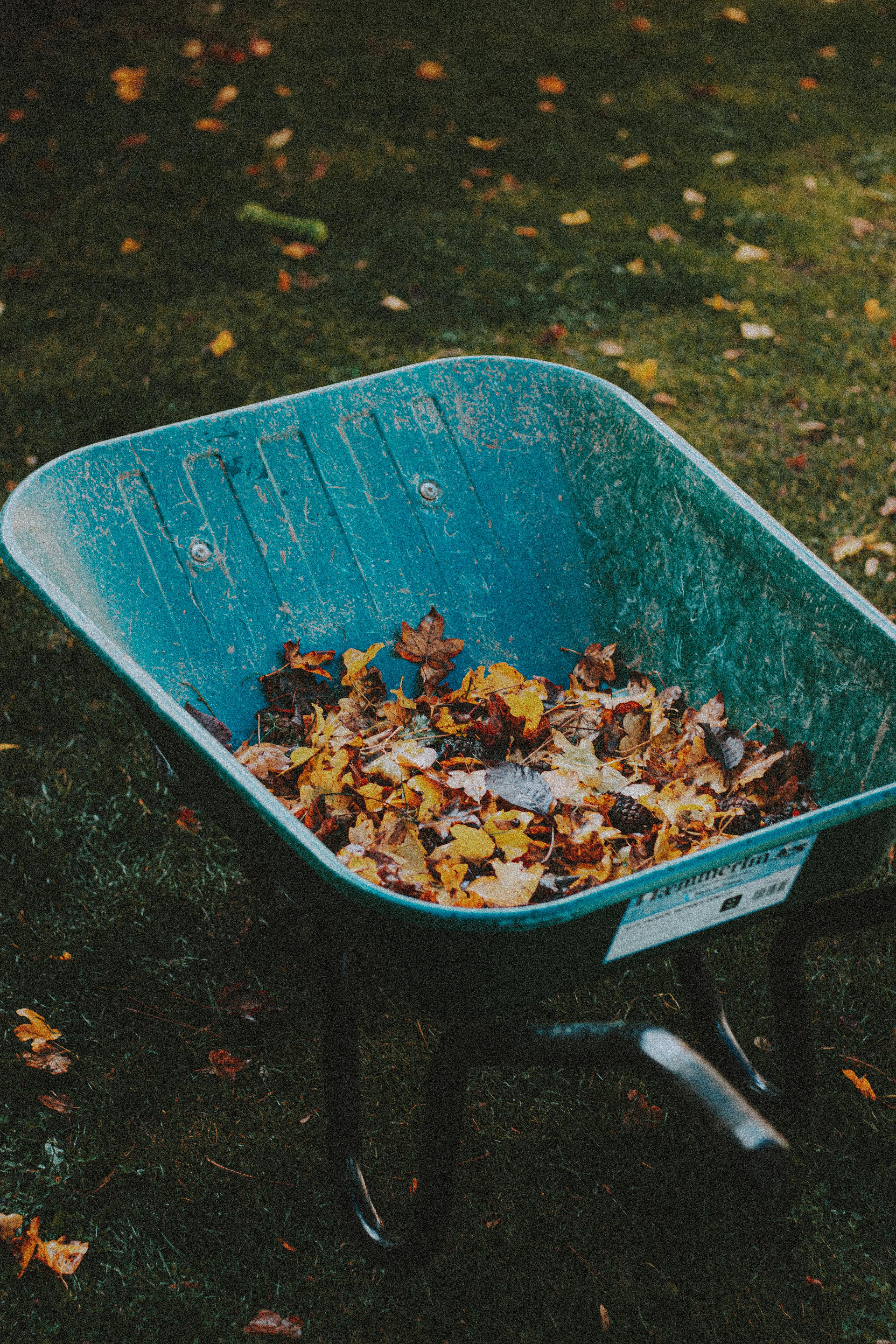
Professional leaf cleaning is more than just removing fallen leaves from a surface. It involves a complete system of debris management that considers environmental impact, property condition, and long-term maintenance.
The Purpose of Professional Leaf Cleaning
The primary goal is to maintain the health and appearance of outdoor spaces. Leaves, when left unattended, can suffocate lawns, block sunlight, trap moisture, and create breeding grounds for pests and fungi.
Professionals aim to prevent these issues by ensuring that leaves are removed efficiently and consistently. This contributes to healthier grass, cleaner pathways, and safer surroundings.
The Difference Between DIY and Professional Cleaning
While homeowners may use basic tools like rakes or handheld blowers, professionals bring experience and precision. They understand how to manage large volumes of leaves, work in different weather conditions, and handle complex landscapes.
Their approach is systematic, ensuring no area is overlooked and that the final result meets a high standard of cleanliness.
Initial Assessment and Planning
Before any cleaning begins, professionals carry out a detailed assessment of the property.
Evaluating the Area
The first step involves examining the size of the property, the type of surfaces present, and the volume of leaves. This helps determine the tools and time required for the job.
Different surfaces, such as grass, gravel, concrete, and decking, require different techniques. Professionals adjust their methods accordingly to avoid damage.
Identifying Challenges
Obstacles such as slopes, garden beds, narrow pathways, and water features are identified early. This allows for better planning and prevents disruptions during the cleaning process.
Choosing the Right Equipment
Based on the assessment, professionals select the most suitable tools. This may include blowers, vacuums, rakes, or mulchers. The right combination ensures efficiency and effectiveness.
The Core Techniques Used by Professionals
Professional leaf cleaning involves several key techniques that work together to achieve a thorough result.
Strategic Leaf Blowing
Leaf blowing is often the first step in the process. Professionals use controlled airflow to move leaves into designated areas.
Instead of randomly blowing leaves, they follow a pattern that directs debris toward collection points. This reduces time and prevents leaves from being scattered back into cleaned areas.
Sectional Cleaning Approach
Large areas are divided into smaller sections. Professionals clean one section at a time, ensuring complete coverage and avoiding missed spots.
This method improves efficiency and allows for better organisation during the cleanup process.
Raking for Precision
While blowers are efficient, rakes are still essential for detailed work. Professionals use rakes to gather leaves from tight spaces, corners, and delicate garden beds where blowers may be less effective.
Vacuum Collection and Mulching
Once leaves are gathered, vacuums may be used to collect them. Many professional vacuums also include mulching features, which break down leaves into smaller pieces.
Mulching reduces volume and makes disposal or reuse easier.
Tools Used in Professional Leaf Cleaning
The tools used by professionals play a major role in their efficiency.
High-Powered Leaf Blowers
Professional blowers are more powerful than typical consumer models. They provide strong airflow that can handle large volumes of leaves quickly.
These blowers often come in backpack or handheld designs, allowing for flexibility and comfort during extended use.
Industrial Leaf Vacuums
Leaf vacuums are used to collect and store leaves after they have been gathered. They are particularly useful for properties that require complete debris removal.
Mulchers and Shredders
Mulchers break down leaves into fine particles. This not only reduces waste but also creates material that can be used as mulch or compost.
Hand Tools for Detailed Work
Hand tools such as rakes, brooms, and scoops are essential for finishing touches. They ensure that no debris is left behind in hard-to-reach areas.
Step-by-Step Professional Leaf Cleaning Process
Understanding the full process provides insight into how professionals achieve consistent results.
Preparation
The process begins with clearing large debris, such as branches, and ensuring that all equipment is ready for use.
Initial Clearing
Blowers are used to move leaves into central areas. Professionals work systematically to avoid scattering debris.
Gathering and Piling
Leaves are gathered into manageable piles using a combination of blowing and raking.
Collection
Vacuums or manual collection methods are used to remove leaves from piles.
Disposal or Reuse
Leaves are either disposed of properly or reused as mulch or compost.
Final Inspection
A final check ensures that all areas are clean and free of debris.
How Professionals Handle Different Types of Properties
Different environments require different approaches.
Residential Properties
In residential settings, professionals focus on precision and attention to detail. Gardens, lawns, and pathways are cleaned carefully to maintain aesthetic appeal.
Commercial Properties
Commercial spaces require efficiency and consistency. Professionals often work in teams and use larger equipment to cover extensive areas.
Public Spaces
Public areas such as parks require careful coordination to ensure safety and minimal disruption to visitors.
Safety Practices in Professional Leaf Cleaning
Safety is a key consideration in professional work.
Use of Protective Gear
Professionals wear gloves, eye protection, and appropriate footwear to prevent injuries.
Equipment Safety
Tools are used according to manufacturer guidelines to ensure safe operation.
Awareness of Surroundings
Professionals remain aware of people, pets, and obstacles to avoid accidents.
Environmental Practices in Leaf Cleaning
Sustainability is an important aspect of modern leaf cleaning.
Composting Leaves
Leaves can be composted to create nutrient-rich soil.
Mulching for Soil Health
Mulched leaves help retain moisture and improve soil quality.
Reducing Waste
Professionals aim to minimise landfill waste by reusing organic materials.
Benefits of Hiring Professional Leaf Cleaning Services
Hiring professionals offers several advantages.
Time Efficiency
Professionals complete tasks quickly due to their experience and equipment.
High Quality Results
Their systematic approach ensures thorough cleaning.
Reduced Physical Effort
Property owners do not have to perform labour-intensive work.
Long Term Maintenance
Regular professional cleaning helps maintain property condition over time.
Common Mistakes Avoided by Professionals
Professionals avoid common errors that can reduce effectiveness.
Random Blowing
Unstructured blowing scatters leaves instead of collecting them.
Ignoring Wet Leaves
Wet leaves require different handling techniques.
Skipping Detailed Areas
Corners and edges are often overlooked in DIY cleaning.
Seasonal Strategies Used by Professionals
Different seasons require different approaches.
Autumn
Heavy leaf fall requires frequent cleaning and efficient tools.
Winter
Focus shifts to clearing remaining debris.
Spring
Preparation for new growth includes light cleanup.
Summer
Maintenance is minimal but still important.
Cost Considerations for Professional Leaf Cleaning
Understanding costs helps in planning.
Factors Affecting Price
Property size, debris volume, and service frequency influence pricing.
Value of Professional Services
While costs may be higher than DIY, the quality and efficiency justify the investment.
Tips for Choosing the Right Professional Service
Selecting the right provider ensures satisfaction.
Check Experience and Reviews
Experienced professionals are more reliable.
Compare Service Offerings
Different providers offer different levels of service.
Confirm Pricing Details
Ensure clarity on what is included.
Frequently Asked Questions
How do professionals clean leaves?
They use a combination of blowers, rakes, vacuums, and mulchers in a structured process that includes assessment, collection, and proper disposal.
Do professionals remove all leaves or reuse them?
They can do both, depending on client preference. Leaves may be removed or reused as mulch or compost.
Is professional leaf cleaning better than DIY?
Yes, because it is faster, more thorough, and less physically demanding.
Conclusion
Professional leaf cleaning is a carefully planned and executed process that goes far beyond simple yard work. By combining expertise, advanced tools, and systematic techniques, professionals deliver results that are efficient, thorough, and environmentally responsible.
Understanding how professionals clean leaves reveals the value behind their services. From initial assessment to final inspection, every step is designed to maximise efficiency and ensure a clean, healthy outdoor space.
Whether you are managing a small garden or a large property, professional leaf cleaning offers a reliable solution that saves time, reduces effort, and enhances the overall appearance and condition of your environment.
