

When setting up the National Broadband Network (NBN) in Australia, many new users are left wondering if they need a technician for the installation or if it’s something they can handle on their own. With the promise of faster and more reliable internet access, the NBN is transforming the way Australians connect to the world. However, the installation process can seem complicated and daunting for some.
The decision of whether to hire a professional NBN installation technician or attempt the setup yourself depends on various factors, including the type of connection available in your area and your level of technical expertise.
While some parts of the installation process are straightforward, there are specific scenarios where a technician’s expertise is crucial. Understanding when to call a professional can save time, effort, and potentially avoid costly mistakes.
The Importance of an NBN Installation Technician
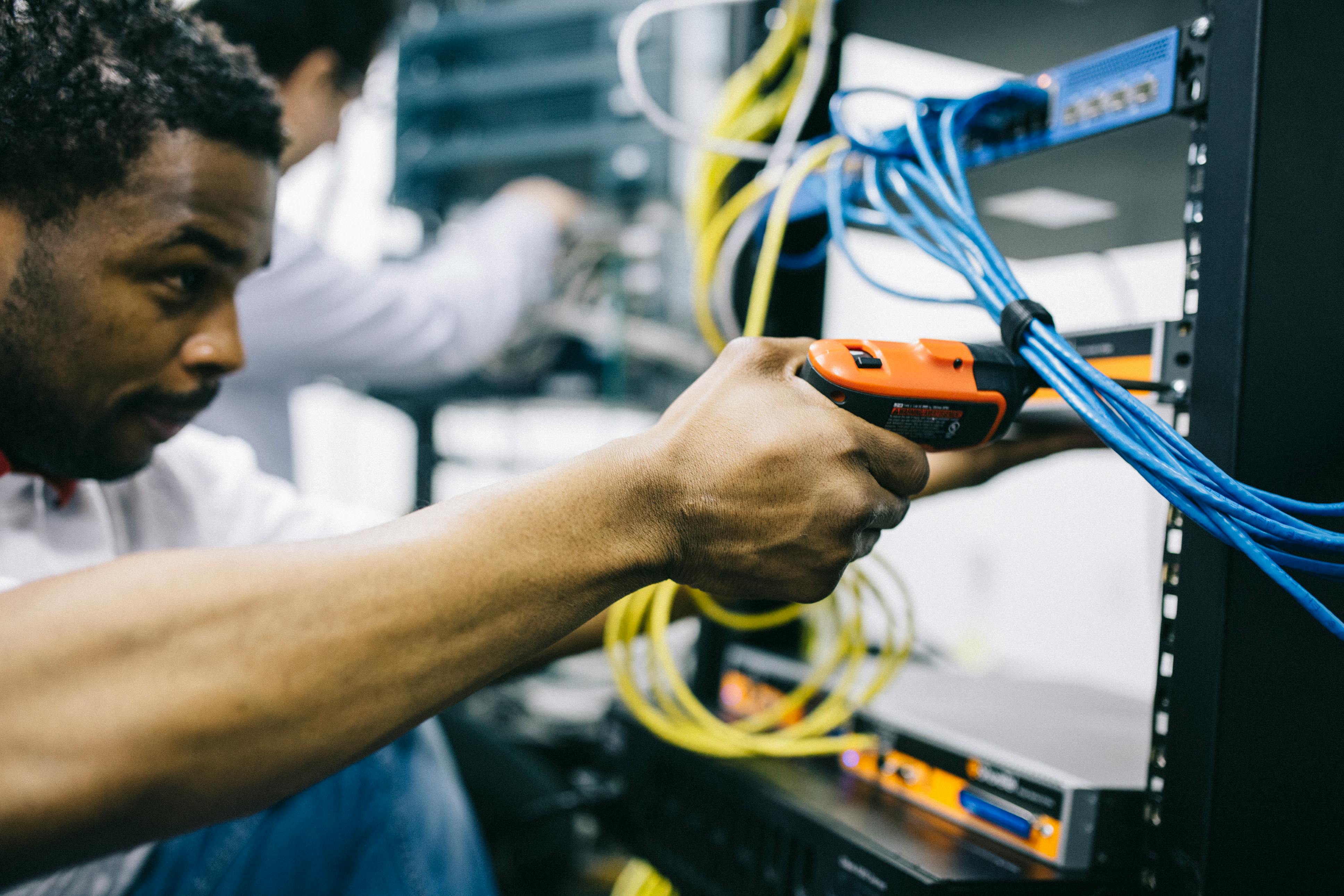
Understanding the role of an NBN installation technician is essential for anyone about to experience their first NBN setup. An NBN technician handles the physical connections and ensures that your property is correctly set up for optimal internet performance.
Depending on your location and the type of NBN connection available to you, a technician may need to visit your property to install necessary equipment, connect the line to the network, and troubleshoot any issues.
The process typically begins with the technician determining the most suitable location for your modem or router, ensuring it is optimally positioned to deliver a strong signal throughout your home or office. If you’re using fibre-optic technology or need additional infrastructure like a new socket or wiring, having an NBN installation technician on-site becomes an even more vital part of the equation.
However, it’s important to note that not all NBN connections require professional assistance. Some areas may offer simple self-installation options, where you can handle most of the setup yourself. These include connecting a pre-provided modem and activating your service online. Still, in the case of complex issues or when specialised hardware is involved, a technician is indispensable.
Understanding Different Types of NBN Connections
NBN technology isn’t one-size-fits-all. The National Broadband Network offers several types of connections, and each one comes with its own set of installation requirements. Understanding these differences is key to knowing whether you need a technician.
Fibre-to-the-Premises (FTTP)
Fibre-to-the-Premises (FTTP) is one of the most reliable and fastest types of NBN connections. However, it requires a technician for the installation. The technician will run a fibre-optic line directly to your home, which can involve setting up a fibre connection box and sometimes drilling holes to feed the fibre cable into your home.
FTTP installations also require skilled technicians to avoid potential damage and ensure everything is configured correctly. It is highly recommended to rely on an NBN installation technician for this type of setup.
Fibre-to-the-Node (FTTN)
Fibre-to-the-Node (FTTN) is another common type of NBN connection, but it has a slightly different installation process. With FTTN, fibre-optic cables run to a central node in your neighbourhood, and copper wiring is used to connect the node to your home.
While the physical connection between the node and your property may seem straightforward, the quality of your internet connection can be impacted by factors like the distance between your home and the node.
For FTTN, an NBN installation technician may need to install a new connection point or verify the quality of existing wiring. However, some customers are able to install their own modem and activate their service, making a technician’s visit optional in certain situations. Despite this, the expertise of a professional can be valuable for troubleshooting and ensuring optimal performance.
Fixed Wireless and Satellite
Fixed wireless and satellite connections are often used in rural or remote areas where other types of NBN infrastructure are not available. With these setups, the technician is responsible for installing an antenna or satellite dish to receive the signal and aligning it for the best possible connection.
Given the technical nature of setting up these systems, including adjusting the alignment of antennas and ensuring the signal quality is adequate, professional help is essential. A technician will also ensure that the necessary equipment is correctly installed and functioning before you start using the service.
Self-Installation Options: When Can You Do It Yourself?
While professional installation is required in some cases, there are many scenarios where you can handle the setup on your own. Depending on the type of NBN connection you have, a self-installation kit may be provided by your service provider. Here are a few cases where self-installation could be a feasible option.
Simple Modem and Router Setup
If you are receiving an NBN connection that only requires the installation of a modem and router, the process is relatively simple. Typically, your service provider will send a modem that is preconfigured with your details, and all you need to do is connect it to the wall socket and power it on. In these cases, you can often skip the technician visit and complete the installation yourself by following the instructions provided.
Software Activation
In many instances, the hardest part of the installation is activating the service through an online platform or the provider’s app. After connecting the modem, you can log in to the service provider’s website or app to activate your service. This self-activation process is commonly done for connections like Fibre-to-the-Building (FTTB) and some Fiber-to-the-Curb (FTTC) setups, where physical installation steps are minimal.
However, even if your connection seems easy to set up, you may still experience technical difficulties such as poor signal strength or configuration issues. In these cases, it’s worth considering a technician visit to diagnose the problem.
Troubleshooting Common Installation Issues
Even after installation, issues can arise that may require a technician’s assistance. These problems can be related to equipment, connectivity, or external factors like network congestion. Here are a few common problems that may require professional attention:
No Signal or Slow Internet Speed
A lack of signal or slow internet speeds are two common issues that many users face after setting up their NBN service. These problems can often be resolved by a technician, especially if there are issues with wiring, signal quality, or interference. An NBN installation technician will perform diagnostic tests to pinpoint the cause and suggest solutions to improve your connection.
Faulty Equipment
If your modem or router is malfunctioning or fails to establish a connection, an NBN technician can inspect the equipment and offer solutions. Sometimes, a simple reset or replacement of faulty hardware can solve the issue, but other times, a technician may need to reconfigure settings or install updated software.
Network Outages
Occasionally, network outages or disruptions may occur due to issues beyond your control, such as problems with the main NBN infrastructure or weather-related damage to the lines. While these issues can’t be solved by a technician directly at your home, they can assess the problem and guide you on the next steps for a resolution.
Frequently Asked Questions About NBN Installation
What does an NBN technician do during installation?
An NBN technician installs the necessary hardware and connects your home to the NBN network. Depending on the type of connection, the technician may need to install fiber-optic cables, set up a new modem, and configure the network. They ensure everything is running smoothly before completing the installation.
Can I install NBN myself?
In some cases, yes. If your NBN connection involves only a modem setup and self-activation, you can do it yourself. However, if you have a more complex installation, such as FTTP or satellite connections, it’s best to rely on a technician for professional installation.
How long does NBN installation take?
The duration of an NBN installation depends on several factors, including the type of connection, the distance to the network node, and the complexity of the setup. On average, installations take between 2 and 4 hours. However, some installations may take longer, especially if additional infrastructure is required.
Conclusion
The question of whether you need an NBN installation technician comes down to the type of connection you’re getting and the complexity of the installation. While many people can handle simple setups themselves, there are situations where a technician’s expertise is crucial for ensuring optimal performance and avoiding complications.
If you’re unsure, it’s always a good idea to contact your NBN provider and inquire about your installation options. A technician can save you time and ensure everything is installed correctly, allowing you to enjoy the full benefits of your new NBN service.
Whether you opt for professional help or choose the DIY route, understanding your specific needs and options will guide you toward the best installation experience possible.
