

Understanding tax refunds is an important part of managing finances in Australia, especially for travellers, international visitors, temporary workers, and local taxpayers. Every year, millions of people lodge tax returns, claim eligible deductions, and apply for refunds through the Australian taxation system.
In a financially active and internationally connected city like Melbourne, tax refund services have become increasingly important for both Australian residents and overseas visitors who want to better understand how refund systems operate.
Tax refunds can apply in several different situations. Australian workers may receive refunds after lodging annual income tax returns, while tourists visiting Australia may also qualify for certain refunds through the Tourist Refund Scheme.
Because tax systems involve detailed rules, eligibility requirements, and financial calculations, many people feel uncertain about how refunds work and what they may legally claim. Understanding the basics of Australian tax refunds can help individuals avoid confusion while improving financial confidence and planning.
One of the most common questions travellers ask is: “How much is the tax refund for a tourist in Australia? The answer depends on several factors, including the value of purchased goods, the amount of Goods and Services Tax paid, eligibility requirements, and compliance with Tourist Refund Scheme rules.
In Australia, eligible tourists may generally claim refunds on Goods and Services Tax paid for qualifying purchases when leaving the country, provided the items and receipts meet government conditions.
Understanding tax refund systems is important because proper preparation, accurate documentation, and knowledge of eligibility requirements can improve the refund process significantly. Whether someone is a tourist shopping in Australia or a resident preparing an annual tax return, organised financial management supports smoother and more efficient refund experiences.
This guide explores Tax Refunds Melbourne and Australia, explains how tourist tax refunds work, discusses common refund eligibility rules, and highlights the importance of organised financial planning and taxation awareness.
Understanding Tax Refunds in Australia
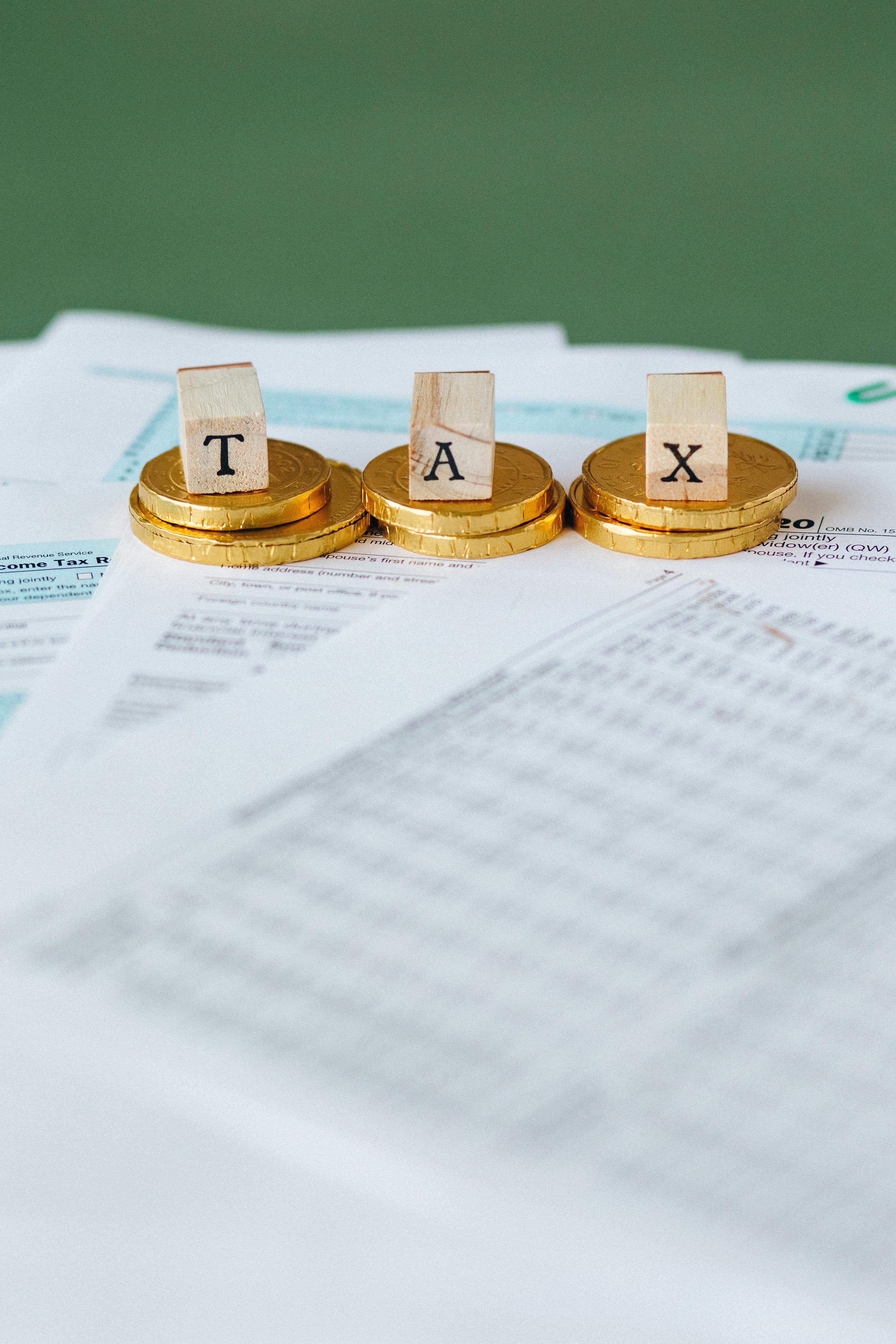
A tax refund occurs when a taxpayer has paid more tax than required during a financial period. After reviewing income, taxes paid, deductions, and financial obligations, the Australian Taxation Office or another government refund system determines whether money should be returned to the taxpayer.
Tax refunds are common in Australia because many employees have taxes automatically withheld from wages through the Pay As You Go system. Once annual financial information is reviewed, some individuals discover they paid more tax than necessary and therefore qualify for refunds.
Tourists visiting Australia may also qualify for refunds under certain government programs such as the Tourist Refund Scheme. This scheme allows eligible travellers to claim refunds on Goods and Services Tax paid for qualifying purchases before leaving the country.
Tax refunds are important because they help ensure fairness within the taxation system while also improving financial accuracy and accountability.
Modern digital tax systems now allow many refunds to be processed electronically, improving convenience and reducing waiting times significantly.
How Much Is the Tax Refund for a Tourist in Australia
Tourists visiting Australia often want to understand how much refund they may receive through the Tourist Refund Scheme.
Understanding the Tourist Refund Scheme
Australia’s Tourist Refund Scheme allows eligible travellers to claim refunds on Goods and Services Tax paid for qualifying purchases taken out of the country.
The Goods and Services Tax in Australia is generally included within the purchase price of many goods and services.
When tourists meet eligibility requirements, they may apply to receive back the Goods and Services Tax paid on eligible purchases.
Refund Amount Depends on Purchase Value
The amount of the refund depends on the value of goods purchased and the amount of Goods and Services Tax included within those purchases.
Generally, the refund is based on the Goods and Services Tax portion rather than the full purchase amount.
Higher-value purchases may therefore result in larger refunds if they meet eligibility conditions.
Eligibility Requirements for Tourist Refunds
Tourists must usually meet several conditions to qualify for refunds.
Goods typically need to be purchased within a specified period before departure, receipts must be available, and items generally need to accompany the traveller when leaving Australia.
Certain products and services may not qualify under the refund system.
Importance of Proper Documentation
Accurate receipts and purchase records are essential for successful refund claims.
Missing or incomplete documentation may prevent refunds from being approved.
Why Tax Refunds Are Important
Tax refunds provide several financial and practical benefits.
Supporting Financial Fairness
Refund systems help ensure individuals do not pay more tax than legally required.
Improving Financial Flexibility
Refunds may provide additional money that individuals use for savings, travel expenses, debt reduction, or personal purchases.
Encouraging Proper Recordkeeping
Refund systems encourage taxpayers and travellers to maintain organised receipts and financial records.
Supporting Tourism and Consumer Spending
Tourist refund programs may encourage international visitors to spend more while travelling in Australia.
Understanding the Australian Goods and Services Tax
The Goods and Services Tax plays an important role in Australia’s financial system.
What Is the Goods and Services Tax
The Goods and Services Tax is a broad-based consumption tax applied to many goods and services sold in Australia.
It is generally included within retail prices paid by consumers.
Why Goods and Services Tax Exists
This tax helps governments generate revenue used to support public services and infrastructure.
How Goods and Services Tax Affects Tourists
Tourists purchasing goods in Australia often pay Goods and Services Tax as part of normal retail pricing.
Eligible travellers may later claim refunds through the Tourist Refund Scheme.
Goods and Services Tax and Business Operations
Businesses collecting Goods and Services Tax generally report these amounts to the Australian Taxation Office.
Common Types of Tax Refunds in Australia
Australia has several different types of refund situations.
Personal Income Tax Refunds
Employees and workers may receive refunds after lodging annual tax returns.
Tourist Refund Scheme Claims
International visitors may claim refunds on eligible purchases before leaving Australia.
Business Tax Refunds
Businesses may receive refunds related to Goods and Services Tax reporting or overpaid tax obligations.
Investment and Property-Related Refunds
Some taxpayers may receive refunds connected to investment deductions or financial offsets.
Who Commonly Applies for Tax Refunds
Many different groups of people apply for refunds within Australia’s taxation system.
Employees and Salary Earners
Employees commonly receive refunds after annual tax returns are processed.
International Tourists
Visitors often apply for Goods and Services Tax refunds through the Tourist Refund Scheme.
Freelancers and Contractors
Self-employed individuals may qualify for refunds depending on income, expenses, and tax instalments.
Investors and Property Owners
Investment-related deductions sometimes result in refund opportunities.
The Importance of Accurate Financial Records
Good recordkeeping remains essential for successful refund claims.
Supporting Tax Return Accuracy
Receipts and financial records help verify deductions and reported income.
Supporting Tourist Refund Claims
Travellers need accurate purchase receipts when applying for tourist tax refunds.
Simplifying Financial Management
Organised records reduce stress and improve financial efficiency.
Preparing for Audits or Reviews
Proper documentation supports compliance and financial transparency.
Technology and Modern Tax Refund Systems
Technology has transformed refund systems significantly.
Online Tax Lodgement Platforms
Many Australians now lodge tax returns electronically through secure digital systems.
Digital Receipt Management
Electronic receipts and mobile applications help individuals organise purchases more efficiently.
Automated Refund Processing
Modern systems automate calculations and improve refund processing times.
Mobile Refund Applications
Some travellers use digital tools to manage Tourist Refund Scheme applications more conveniently.
Common Mistakes That Affect Refund Claims
Many taxpayers and tourists make avoidable mistakes during the refund process.
Losing Important Receipts
Missing receipts may prevent successful refund claims.
Claiming Ineligible Purchases
Some goods or services may not qualify for tourist refund programs.
Providing Incorrect Information
Errors involving banking details or personal information may delay refunds.
Lodging Incomplete Tax Returns
Incomplete reporting may affect income tax refund calculations.
Benefits of Professional Tax Assistance
Professional tax support often improves refund accuracy and financial management.
Improving Tax Return Accuracy
Tax professionals help reduce reporting mistakes and calculation errors.
Identifying Legitimate Deductions
Professional guidance may improve refund opportunities legally and accurately.
Supporting Complex Financial Situations
Investments, businesses, and freelance work often require detailed taxation support.
Reducing Stress During Tax Season
Professional assistance simplifies tax preparation significantly.
Financial Planning and Tax Refunds
Refunds can support broader financial management goals.
Building Savings
Many individuals place refunds into savings accounts or emergency funds.
Paying Down Debt
Refunds may help reduce loans or credit card balances.
Supporting Travel and Lifestyle Goals
Some travellers use refunds to support future travel or personal expenses.
Improving Budget Flexibility
Refunds may improve short-term household financial stability.
The Role of Tax Refunds in the Australian Economy
Refund systems contribute to broader economic activity.
Supporting Consumer Spending
Refunds may encourage additional spending within the economy.
Maintaining Financial Fairness
Refund systems help ensure taxpayers only pay the required amount of tax.
Encouraging Financial Compliance
Refund opportunities motivate taxpayers to lodge accurate tax returns.
Supporting Tourism Activity
Tourist refund systems may encourage international shopping and tourism spending.
The Future of Tax Refund Systems in Australia
Australia’s taxation and refund systems continue evolving alongside technology.
Increased Automation
Automation is improving refund processing efficiency significantly.
Greater Digital Integration
Future systems may integrate more closely with banking, retail, and travel platforms.
Enhanced Cybersecurity
As digital refund systems expand, stronger data protection measures remain essential.
Faster Refund Processing
Technology may continue reducing waiting times for both tax returns and tourist refund claims.
Frequently Asked Questions
How much is the tax refund for a tourist in Australia?
The refund amount depends on the value of eligible purchases and the Goods and Services Tax included within those purchases under the Tourist Refund Scheme.
What is the Tourist Refund Scheme?
The Tourist Refund Scheme allows eligible international travellers to claim refunds on Goods and Services Tax paid for qualifying purchases when leaving Australia.
Do tourists need receipts for tax refunds?
Yes, accurate receipts and purchase records are generally required to apply for tourist tax refunds successfully.
Conclusion
Tax refund systems play an important role in helping individuals and travellers manage financial obligations fairly and efficiently throughout Australia. In an internationally connected city like Melbourne, understanding tax refunds is especially valuable for both local taxpayers and overseas visitors navigating Australia’s taxation and consumer systems.
Understanding how much tax refund tourists may receive in Australia highlights the importance of eligibility rules, accurate receipts, and proper financial preparation. Whether someone is lodging a personal tax return or applying for a refund through the Tourist Refund Scheme, organised financial management helps improve efficiency and reduce stress.
As Australia’s taxation systems continue evolving and digital financial technology becomes increasingly advanced, tax refunds will remain an important part of financial planning, tourism activity, and responsible financial management for both residents and international visitors alike.
