

A healthy smile plays an important role in a child’s overall well-being, confidence, and development. From the moment the first tooth appears, children begin a long journey of dental growth that continues through adolescence. During this period, their teeth and gums require special attention and care to ensure that they develop properly and remain healthy.
A children’s dental clinic is specifically designed to meet the oral health needs of young patients, providing specialised care that focuses on prevention, education, and treatment.
Children experience unique dental challenges that differ from those faced by adults. Their teeth are still developing, their oral hygiene habits are still forming, and their diets often include foods that can increase the risk of dental problems.
Because of these factors, children are more vulnerable to certain oral health issues such as cavities, gum irritation, and tooth alignment problems. Regular visits to a children’s dental clinic allow dentists to monitor dental development and detect potential concerns early.
Pediatric dental professionals understand how children grow and how their oral structures change over time. These specialists are trained to identify common dental conditions affecting children and provide treatments that are appropriate for their age and developmental stage.
They also create supportive environments that help young patients feel comfortable during dental visits, which encourages them to maintain regular dental care throughout their lives.
Parents often notice changes in their children’s teeth and wonder whether those changes are normal or signs of dental problems. Understanding the common issues treated in children’s dental clinics can help families recognise early warning signs and seek timely care.
When dental problems are identified and treated early, children can avoid discomfort, maintain proper dental development, and build healthy oral habits.
Dental care during childhood is not limited to treating existing problems. Preventive care is equally important because it helps protect teeth from future damage. Children’s dental clinics focus on both prevention and treatment to ensure that young patients develop strong, healthy smiles.
This article explores the role of Children’s Dental Clinics in protecting oral health and examines the common pediatric dental issues that dentists frequently treat. By understanding these conditions, parents can take proactive steps to support their children’s dental health and ensure that their smiles remain bright and healthy as they grow.
The Role of a Children’s Dental Clinic
Children’s dental clinics play an essential role in promoting oral health during childhood. These clinics are designed to address the unique needs of young patients and provide specialised dental care in a supportive environment.
Providing Specialised Dental Care for Children
Children’s dental clinics focus on the prevention, diagnosis, and treatment of dental issues that commonly affect infants, children, and adolescents. Pediatric dentists receive additional training that allows them to understand the specific dental challenges associated with childhood development.
This specialised care ensures that children receive treatments that are appropriate for their age and oral health needs. Dentists in children’s clinics also focus on educating families about proper oral hygiene practices.
Creating a Comfortable Environment for Young Patients
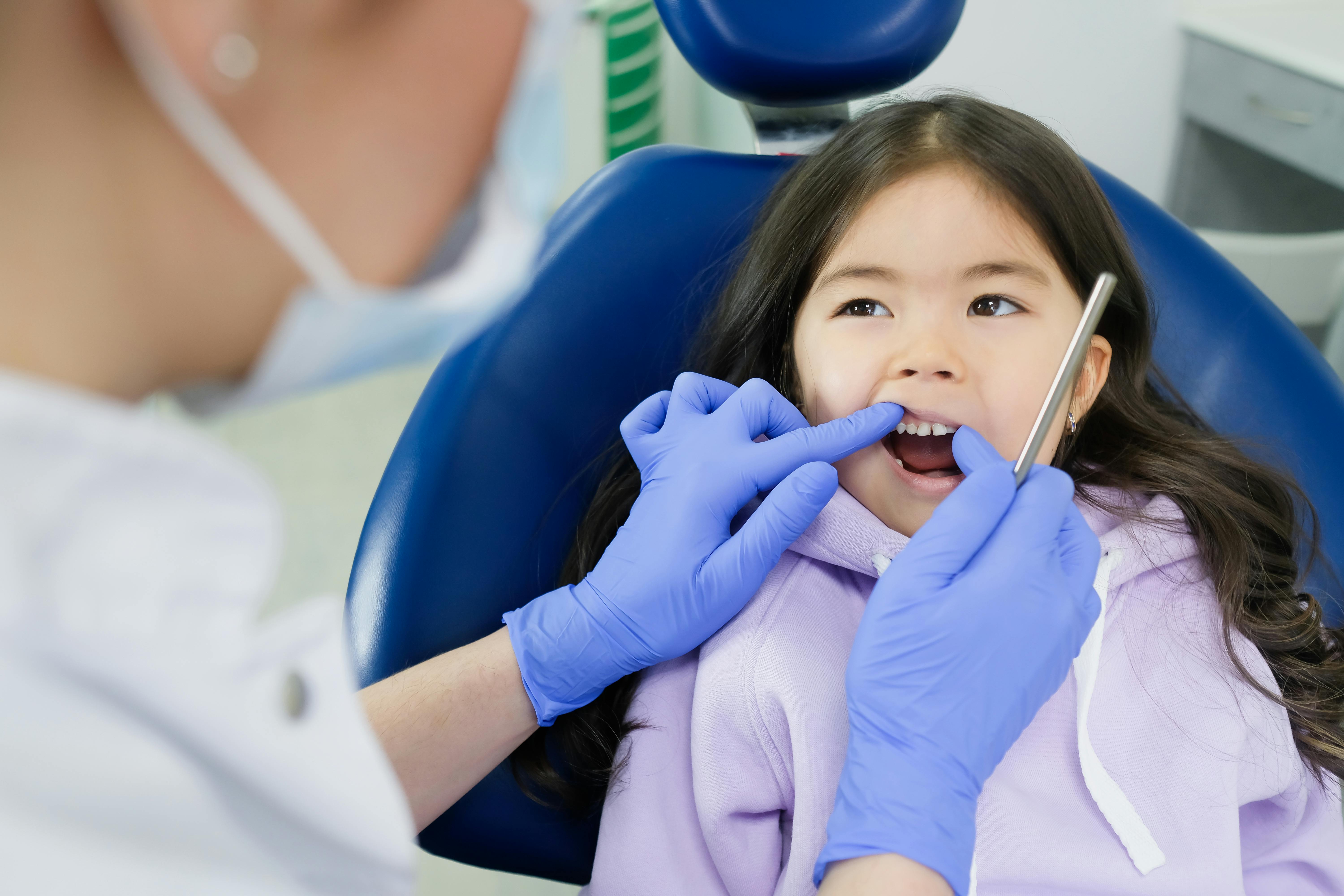
Dental visits can sometimes feel intimidating for children, especially if they are unfamiliar with the dental environment. Children’s dental clinics are designed to create a welcoming atmosphere that helps young patients feel relaxed.
Friendly staff, child-focused communication, and supportive interactions all contribute to making dental visits positive experiences. When children feel comfortable, they are more likely to cooperate during examinations and maintain regular dental appointments.
Encouraging Preventive Oral Health Practices
Prevention is a central focus of children’s dental clinics. Dentists work closely with parents and children to develop healthy habits that reduce the risk of dental problems.
Preventive services such as professional cleanings, fluoride treatments, and dental sealants help protect teeth from decay and other issues.
What Are Common Pediatric Dental Issues
Children can experience a variety of dental conditions as their teeth develop. Understanding these common pediatric dental issues helps parents recognise potential problems and seek appropriate care.
Tooth Decay and Cavities
Tooth decay is one of the most common dental problems affecting children. Cavities occur when bacteria in the mouth combine with sugars from food and produce acids that gradually damage tooth enamel.
Children are particularly susceptible to cavities because their enamel is still developing and their oral hygiene habits may not be fully established. Frequent consumption of sugary snacks and beverages can increase the risk of tooth decay.
Early signs of cavities may include sensitivity, visible holes in the teeth, or dark spots on the enamel. Regular dental check-ups allow dentists to detect cavities early and provide treatments such as fillings to restore the tooth.
Gum Inflammation and Gingivitis
Gum health is just as important as the condition of the teeth. Gingivitis is a mild form of gum disease that can occur when plaque builds up along the gum line.
Symptoms of gingivitis may include redness, swelling, and bleeding during brushing. While gum disease is more commonly associated with adults, children can also develop gingivitis if oral hygiene is not maintained properly.
Proper brushing and flossing, along with professional cleanings, can help prevent and treat this condition.
Thumb Sucking and Oral Habits
Thumb sucking and similar oral habits are common among young children. While these behaviours are often harmless during infancy, prolonged habits can affect dental development.
Persistent thumb sucking can influence the alignment of teeth and the shape of the jaw. It may lead to bite problems or misalignment of the front teeth.
Dentists often monitor these habits during routine visits and may guide children to help them gradually stop the behaviour if it begins to affect dental health.
Tooth Sensitivity
Some children experience tooth sensitivity when consuming hot, cold, or sweet foods. Sensitivity can occur when the protective enamel layer becomes worn or when cavities develop.
While occasional sensitivity may not always indicate a serious problem, persistent discomfort should be evaluated by a dentist.
Identifying the cause of sensitivity allows dentists to recommend appropriate treatments or preventive measures.
Dental Injuries and Trauma
Children are naturally active and may experience accidents while playing sports or engaging in physical activities. These incidents can sometimes result in dental injuries such as chipped, cracked, or knocked-out teeth.
Prompt dental care is important in cases of dental trauma. Early treatment can help preserve the affected tooth and prevent complications.
Children’s dental clinics often guide protecting teeth during sports activities through the use of mouthguards.
Misaligned Teeth and Bite Problems
As children grow, their teeth and jaws develop in ways that influence their bite and alignment. Sometimes teeth may grow in crowded positions or fail to align properly.
Misalignment can lead to bite issues, difficulty chewing, or challenges with oral hygiene. Pediatric dentists monitor dental development during routine visits to detect alignment concerns early.
Early orthodontic evaluation may be recommended if necessary.
Early Loss of Baby Teeth
Baby teeth typically fall out naturally as permanent teeth begin to emerge. However, early loss of primary teeth due to cavities or injuries can affect the alignment of permanent teeth.
When a baby tooth is lost prematurely, neighbouring teeth may shift into the space. This can interfere with the proper eruption of permanent teeth.
Dentists may recommend treatments such as space maintainers to preserve the proper spacing for future teeth.
Teething Discomfort
Teething is a natural stage of development that occurs when baby teeth begin to emerge through the gums. While teething is not a dental problem, it can cause temporary discomfort for infants.
Symptoms may include swollen gums, irritability, and increased drooling. Pediatric dentists can provide guidance on safely managing teething discomfort.
Preventive Care in Children’s Dental Clinics
Preventive dental care helps reduce the likelihood of common pediatric dental issues and supports healthy dental development.
Professional Dental Cleanings
Professional cleanings remove plaque and tartar that cannot be eliminated through brushing alone. Dental hygienists use specialised tools to thoroughly clean and polish teeth.
These cleanings help maintain healthy teeth and gums.
Fluoride Treatments
Fluoride strengthens tooth enamel and helps protect against cavities. Pediatric dentists often apply fluoride treatments during routine dental visits.
These treatments reinforce the enamel and make teeth more resistant to decay.
Dental Sealants
Dental sealants are protective coatings applied to the chewing surfaces of molars. These teeth often contain deep grooves where food particles and bacteria can become trapped.
Sealants create a barrier that helps prevent cavities.
Supporting Children’s Dental Health at Home
Parents play an important role in maintaining their children’s oral health.
Establishing Daily Oral Hygiene Habits
Children should brush their teeth twice a day using fluoride toothpaste. Parents should supervise brushing until children develop proper technique.
Flossing should also be introduced once teeth begin to touch.
Encouraging Healthy Eating Habits
A balanced diet supports healthy teeth and gums. Limiting sugary foods and beverages helps reduce the risk of tooth decay.
Foods rich in calcium and vitamins help strengthen teeth.
Scheduling Regular Dental Visits
Routine dental check-ups allow dentists to monitor oral health and detect potential issues early.
Most children benefit from dental visits every six months.
Frequently Asked Questions
How can parents help prevent dental problems in children?
Parents can help prevent dental issues by encouraging daily brushing and flossing, providing a balanced diet, limiting sugary snacks, and scheduling regular dental check-ups.
When should children start visiting the dentist?
Children are generally recommended to visit the dentist by their first birthday or within six months after their first tooth appears.
Why are routine dental visits important for children?
Routine visits help detect dental issues early, provide preventive treatments, and ensure that teeth and jaws develop properly.
Conclusion
Children’s dental clinics play an essential role in protecting oral health during the early stages of life. By focusing on prevention, education, and early treatment, these clinics help ensure that children develop strong and healthy smiles.
Understanding common pediatric dental issues allows parents to recognise potential concerns and seek appropriate care when needed. Conditions such as cavities, gum inflammation, and dental injuries can often be prevented or managed effectively through regular dental visits and proper oral hygiene habits.
When families work together with dental professionals, children are more likely to develop positive attitudes toward oral care and maintain healthy smiles that last throughout their lives.
