

A healthy smile is often seen as a symbol of confidence, comfort, and overall well-being. While many people focus on treating dental issues only after they arise, modern dentistry emphasises a more proactive approach.
Preventive care dentistry focuses on maintaining oral health and stopping dental problems before they develop into serious conditions. By combining daily hygiene habits with professional dental services, preventive care plays a critical role in protecting teeth, gums, and overall health.
Dental issues such as cavities, gum disease, enamel erosion, and oral infections often begin with small changes in the mouth that may go unnoticed.
Without proper care and early intervention, these minor problems can gradually develop into more serious dental conditions that require complex treatments. Preventive care dentistry aims to identify these risks early and provide solutions that protect the mouth before damage occurs.
The importance of preventive dental care extends beyond maintaining a bright smile. The mouth serves as a gateway to the body, and poor oral health has been linked to several systemic health conditions. When preventive care is practised consistently, it helps reduce harmful bacteria in the mouth, supports gum health, and contributes to overall wellness.
Preventive dental care involves both professional services and daily personal habits. Dental professionals provide services such as routine check-ups, professional cleanings, fluoride treatments, dental sealants, and patient education. At the same time, individuals play an important role by maintaining oral hygiene practices at home, including brushing, flossing, and maintaining a healthy diet.
Many people understand the concept of visiting the dentist regularly, but may not fully realise the broader purpose of preventive dental care. Understanding the role of preventive dentistry can help individuals appreciate why consistent dental care is essential for maintaining healthy teeth and gums throughout life.
This article explores Preventive Care Dentistry in detail and answers an important question that many patients ask when thinking about long-term oral health: What is the role of preventive dental care? By understanding how preventive care supports dental health, individuals can make informed decisions that protect their smiles and improve their overall well-being.
Understanding Preventive Care Dentistry
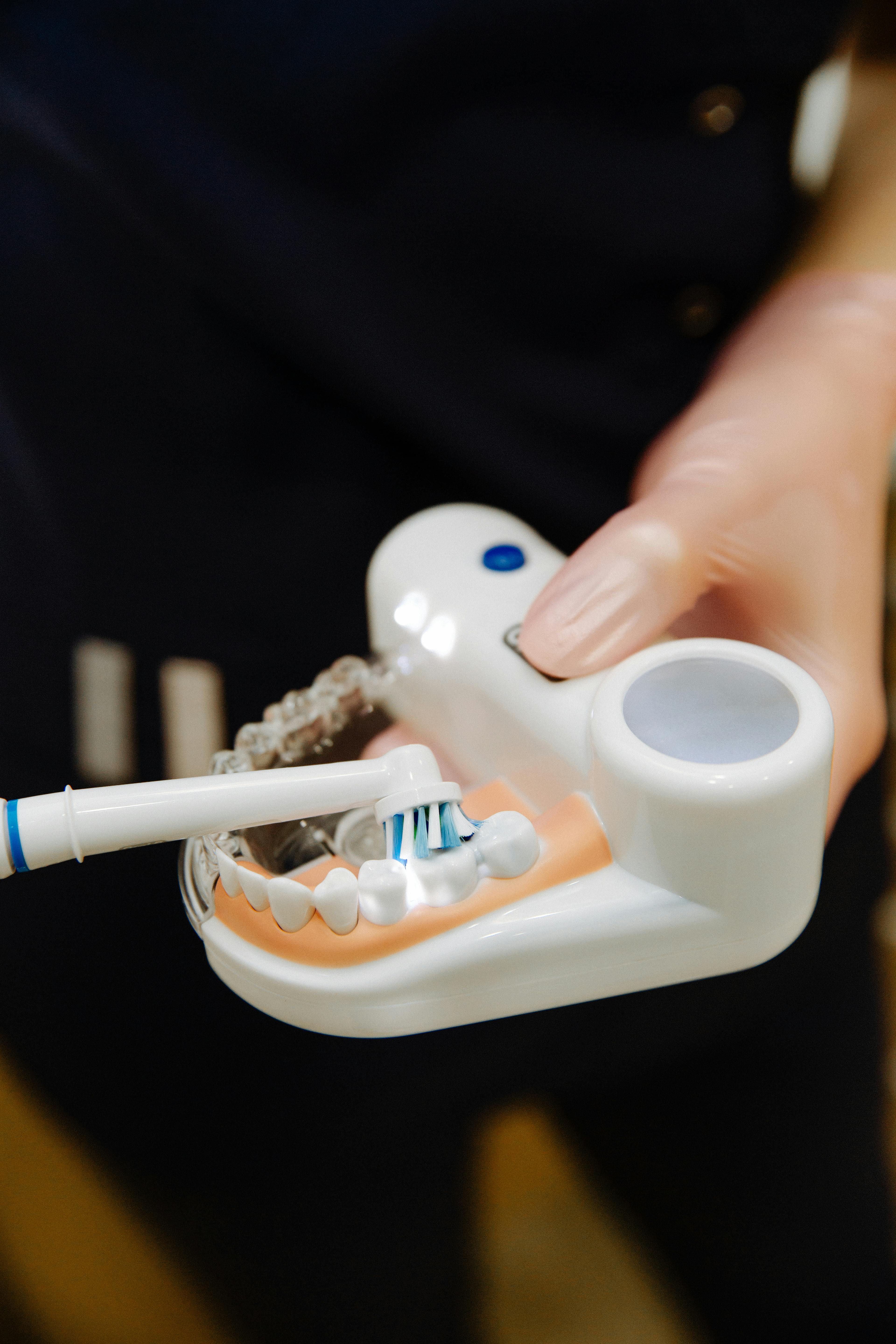
Preventive care dentistry refers to the practices and treatments designed to maintain oral health and prevent dental diseases before they occur.
The Purpose of Preventive Dentistry
The main purpose of preventive dentistry is to protect teeth and gums from damage caused by bacteria, plaque, and other harmful factors. Instead of focusing solely on treating dental problems after they develop, preventive care aims to stop these problems from occurring in the first place.
By maintaining healthy oral conditions, preventive dentistry helps reduce the risk of cavities, gum disease, and tooth loss.
Early Detection and Risk Reduction
One of the most important aspects of preventive care dentistry is early detection. During routine dental visits, dentists examine the mouth carefully to identify early signs of dental problems.
Detecting issues early allows dental professionals to recommend simple treatments that prevent more serious complications.
Supporting Long-Term Dental Health
Preventive dental care helps individuals maintain strong teeth and healthy gums throughout their lives. By addressing potential problems early and encouraging healthy habits, preventive dentistry supports long-term oral wellness.
Patients who follow preventive care recommendations often experience fewer dental issues and maintain healthier smiles.
What Is the Role of Preventive Dental Care
Preventive dental care plays several important roles in maintaining oral health and protecting the teeth and gums.
Preventing Tooth Decay
One of the primary roles of preventive dental care is to prevent tooth decay. Cavities develop when bacteria in the mouth produce acids that weaken tooth enamel.
Regular brushing, flossing, fluoride treatments, and professional cleanings help remove plaque and strengthen enamel, reducing the risk of cavities.
Protecting Gum Health
Healthy gums are essential for supporting strong teeth. Preventive dental care helps maintain gum health by removing bacteria that cause inflammation and infection.
Routine cleanings and proper oral hygiene practices help prevent gum disease and maintain healthy gum tissue.
Detecting Dental Problems Early
Preventive dental visits allow dentists to identify potential dental issues before they become serious. Early detection allows for timely treatment that can prevent complications and preserve oral health.
Conditions such as cavities, gum disease, and oral infections can often be treated more easily when discovered early.
Encouraging Healthy Oral Hygiene Habits
Preventive dentistry also focuses on educating patients about proper oral hygiene practices. Dentists and dental hygienists provide guidance on brushing techniques, flossing methods, and dietary choices that support dental health.
This education helps individuals maintain healthy habits that protect their teeth and gums.
Routine Dental Check Ups
Routine dental check-ups are one of the most important components of preventive care dentistry.
Comprehensive Oral Examinations
During dental check-ups, dentists examine the teeth, gums, tongue, and other oral tissues. These examinations help identify signs of cavities, gum disease, and other oral health issues.
Regular examinations ensure that potential problems are detected early.
Monitoring Changes in Oral Health
Dental visits allow professionals to monitor changes in oral health over time. Dentists can identify patterns that may indicate developing issues and recommend preventive measures.
This ongoing monitoring helps maintain stable oral health.
Building a Preventive Care Plan
Dentists often develop personalised preventive care plans based on each patient’s oral health needs. These plans may include recommendations for professional cleanings, fluoride treatments, and improved oral hygiene routines.
Professional Dental Cleanings
Professional dental cleanings play an essential role in preventive dentistry.
Removing Plaque and Tartar
Plaque forms on the teeth throughout the day and contains bacteria that can cause cavities and gum disease. If plaque is not removed, it can harden into tartar.
Dental hygienists use specialised tools to remove plaque and tartar during professional cleanings.
Preventing Gum Disease
Professional cleanings help reduce bacteria that cause gum inflammation. By removing these harmful deposits, dental cleanings support healthy gums and prevent periodontal disease.
Healthy gums are essential for maintaining strong teeth and overall oral health.
Maintaining a Clean and Healthy Smile
Professional cleanings also polish the teeth, removing surface stains and leaving the teeth feeling smooth and clean.
This process contributes to a brighter smile and improved oral hygiene.
Fluoride Treatments
Fluoride treatments are an important preventive dental service that helps strengthen tooth enamel.
Strengthening Enamel
Fluoride helps reinforce enamel and makes teeth more resistant to acid attacks caused by bacteria.
Dentists apply fluoride in the form of gels, varnishes, or foams during dental visits.
Reducing the Risk of Cavities
Fluoride treatments help prevent cavities by strengthening the protective outer layer of the teeth.
These treatments are particularly beneficial for children but can also help adults maintain strong teeth.
Dental Sealants
Dental sealants provide additional protection against cavities.
Protecting Vulnerable Tooth Surfaces
Molars and premolars often have deep grooves where food particles and bacteria can accumulate. These areas can be difficult to clean with a toothbrush.
Dental sealants are thin coatings applied to the chewing surfaces of these teeth.
Creating a Barrier Against Bacteria
Sealants create a protective barrier that prevents bacteria and food particles from entering the grooves of the teeth.
This protection significantly reduces the risk of cavities, especially in children and teenagers.
Oral Hygiene Education
Education is a vital part of preventive care dentistry.
Teaching Proper Brushing Techniques
Dental professionals teach patients how to brush effectively using the correct techniques. Proper brushing helps remove plaque from all surfaces of the teeth.
Using fluoride toothpaste and brushing twice a day are key recommendations.
Encouraging Daily Flossing
Flossing removes plaque and food particles from between teeth where toothbrushes cannot reach.
Daily flossing helps maintain healthy gums and prevents cavities in hard-to-clean areas.
Promoting Healthy Lifestyle Choices
Preventive dental care also includes advice about diet and lifestyle habits that affect oral health.
Reducing sugar consumption, drinking plenty of water, and avoiding tobacco products contribute to healthier teeth and gums.
Preventive Dentistry for Different Age Groups
Preventive dental care is important for individuals at every stage of life.
Preventive Care for Children
Children benefit greatly from preventive dentistry because their teeth are still developing. Early dental visits help establish healthy habits and protect against cavities.
Fluoride treatments and sealants are commonly recommended for children.
Preventive Dentistry for Adults
Adults benefit from preventive care that helps maintain oral health and detect dental issues early.
Routine check-ups and cleanings help prevent gum disease and tooth decay.
Oral Health Care for Older Adults
Older adults may experience dental concerns such as gum recession, dry mouth, and tooth wear.
Preventive dental services help manage these conditions and maintain oral health as individuals age.
Benefits of Preventive Care Dentistry
Preventive dental care offers numerous benefits that support long-term oral health.
Reducing the Risk of Dental Disease
Regular preventive care significantly reduces the likelihood of cavities, gum disease, and other oral health problems.
Maintaining consistent dental visits and proper hygiene habits protects the teeth and gums.
Saving Time and Money
Preventing dental problems is often less expensive than treating them. Preventive services help reduce the need for complex procedures such as root canals, crowns, or extractions.
Patients who follow preventive care plans often save time and money on dental treatments.
Supporting Overall Health
Oral health is closely connected to general health. Preventive dental care helps reduce bacteria in the mouth that may contribute to systemic health conditions.
Maintaining good oral hygiene supports overall wellness and quality of life.
Frequently Asked Questions
How often should preventive dental visits occur?
Most dentists recommend scheduling preventive dental visits every six months to maintain oral health and detect potential issues early.
Is preventive dental care important for adults?
Yes. Preventive dental care is beneficial for individuals of all ages, including adults who want to maintain healthy teeth and gums and prevent future dental problems.
Can preventive dental care reduce the need for major treatments?
Yes. Preventive care helps identify and address small dental issues before they become serious, reducing the need for complex treatments.
Conclusion
Preventive care dentistry plays a vital role in maintaining healthy teeth and gums throughout life. By focusing on prevention rather than treatment, individuals can protect their oral health and avoid many common dental problems.
Understanding the role of preventive dental care helps patients appreciate the importance of regular dental visits, professional cleanings, and daily oral hygiene practices. These preventive measures work together to maintain strong teeth, healthy gums, and a confident smile.
When preventive dental care becomes part of a regular health routine, individuals can enjoy improved oral health, reduced dental complications, and greater overall well-being for many years to come.
