

In today’s digital age, where connectivity is paramount to the smooth operation of businesses, homes, and public spaces, the importance of a well-installed and reliable access point cannot be overstated. Access points (APs) serve as the bridges that allow wireless devices to connect to networks, enabling everything from work productivity to leisure activities.
Whether it’s in a bustling office or a remote location, the quality of an access point installation directly impacts overall network performance, making it crucial to prioritise a reliable setup.
As businesses expand and personal networks grow, the need for uninterrupted connectivity has led to the recognition that installation quality is just as vital as the device itself. A reliable access point installation goes beyond simply setting up a router or a modem.
It involves strategic placement, proper configuration, and ensuring the network environment is optimised for peak performance. This blog will explore the characteristics of a reliable installation process and delve into the myriad benefits that come with such a setup.
A reliable access point installation ensures consistent service across various applications, whether for streaming, communication, or business-critical operations. One key aspect of such an installation is understanding the technical requirements, such as bandwidth allocation, the physical layout of the space, and interference management.
The result is a network environment that supports high traffic, minimises downtime, and maximises signal strength. But why is reliability so important in the first place? This article aims to answer that question by outlining the key elements of a robust access point installation and the benefits it brings.
Understanding Reliable Access Point Installation
To create a network that delivers seamless performance, the focus must first be on the installation process itself. A reliable access point installation not only looks at the placement of the devices but also ensures that they are configured properly to handle the demands of the users.
Proper installation involves several technical aspects: from selecting the right equipment to considering the placement of the APs in relation to the layout of the space, many factors contribute to a network’s reliability. A strategic plan ensures that the signal is evenly distributed throughout the space and that every device is able to access the network efficiently.
Key Characteristics of a Reliable Access Point Installation
Strategic Placement for Optimal Coverage
The placement of access points is one of the most crucial factors in ensuring a reliable installation. Many fail to realise that the physical environment—whether it be walls, metal structures, or interference from other electronic devices—can have a significant impact on Wi-Fi signals. In a large office building or a multi-story home, these barriers can weaken the signal if access points are not placed correctly.
A reliable access point installation will involve a detailed site survey to identify optimal locations for maximum coverage. The goal is to ensure that signals reach all parts of the area with minimal dead zones, allowing for a consistent user experience across all devices.
Bandwidth Management and Configuration
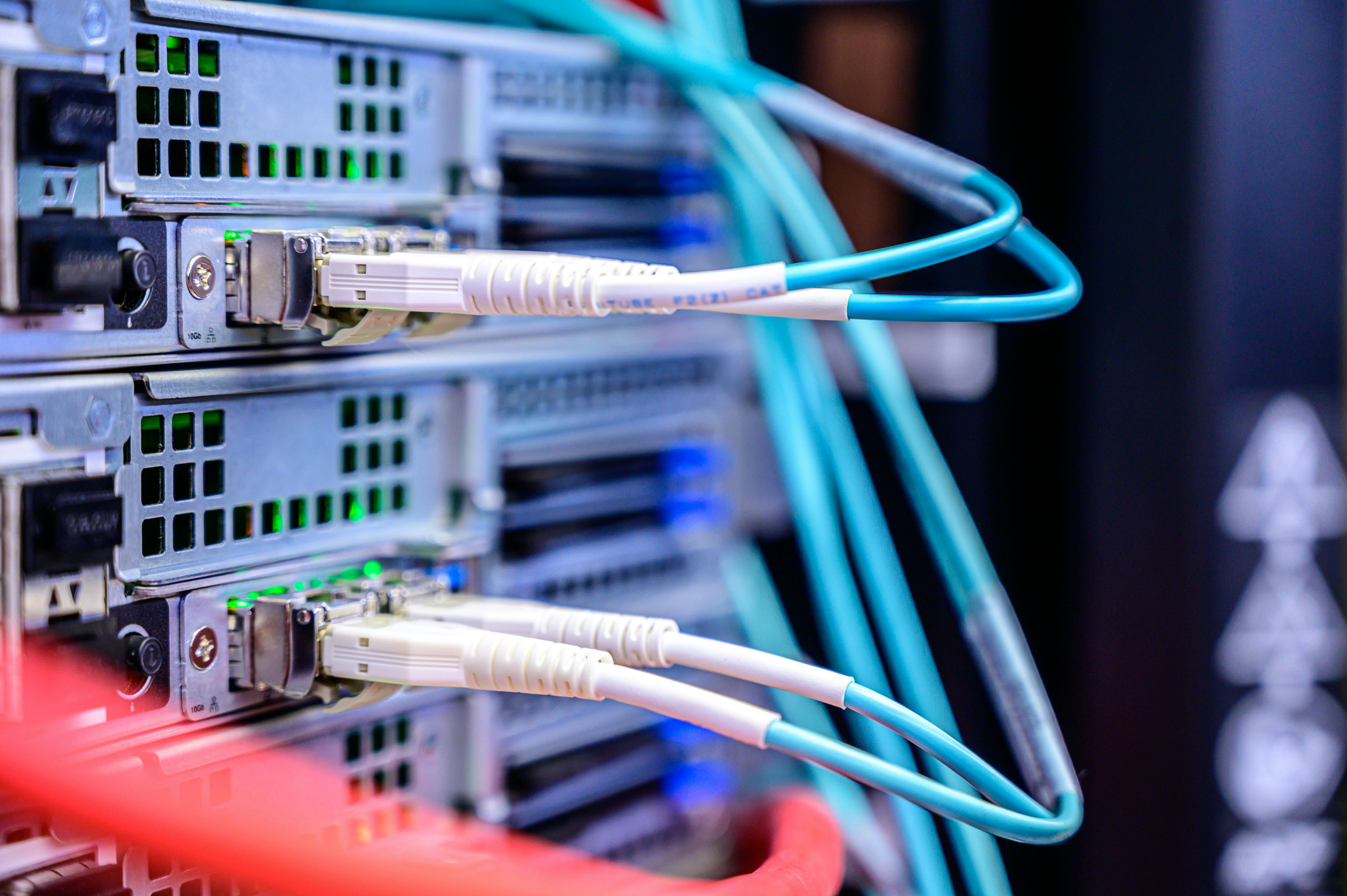
Another characteristic of a reliable access point installation is proper bandwidth management. Each device connected to the network demands a certain amount of bandwidth to function correctly.
In crowded environments where multiple devices are connected simultaneously, it becomes essential to configure the access points to handle the traffic effectively. A reliable access point installation process ensures that the APs are configured to allocate bandwidth in a way that minimises congestion and allows for smooth and uninterrupted service.
In modern networking setups, dual-band or tri-band access points are often employed to distribute load efficiently. The configuration of these bands is crucial to ensuring that the network can handle higher traffic volumes without experiencing slowdowns or bottlenecks.
A professional installation will take into account the types of devices connected to the network and configure the APs to optimise bandwidth usage accordingly.
Interference Minimisation
Interference is one of the most common causes of network instability, and it can have a devastating impact on the reliability of wireless networks. In both residential and business environments, devices like microwaves, Bluetooth equipment, and even neighbouring networks can cause interference, leading to dropped connections and slow speeds.
A reliable access point installation is designed to mitigate these issues by selecting channels that are less likely to experience interference.
Professional installers often use tools to measure signal strength and identify sources of interference, allowing them to make informed decisions about channel selection and frequency usage. Additionally, the strategic placement of access points can help reduce the effects of interference by ensuring that signals are not blocked by physical obstructions.
Scalability and Future-Proofing
A reliable access point installation doesn’t just meet the current demands of the network; it also takes into account future growth. As the number of devices and the amount of data usage increase over time, the network must be able to scale to accommodate this growth.
Scalability is a key characteristic of a reliable installation. It involves selecting access points that can handle a growing number of devices without compromising performance.
Moreover, future-proofing an installation by choosing equipment that supports the latest Wi-Fi standards ensures that the network can evolve as technology advances.
For example, choosing access points that are capable of supporting Wi-Fi 6 (the latest wireless standard) can provide faster speeds, improved efficiency, and better performance in environments with many connected devices. This level of foresight ensures that the network remains reliable and capable of meeting the demands of future technology.
The Benefits of Reliability in Access Point Installation
Improved Network Performance and Speed
One of the primary benefits of a reliable access point installation is enhanced network performance. A well-installed AP delivers fast, uninterrupted connectivity, ensuring that users can access the internet without lag or downtime. This is particularly important in high-demand environments, such as offices, where multiple users need to access the network simultaneously.
Reliable installations also contribute to more consistent speeds across different areas. When access points are properly configured, users experience faster load times for websites, smoother video calls, and lag-free streaming, enhancing their overall experience.
Reduced Downtime and Increased Productivity
Downtime is one of the most costly disruptions in both business and personal environments. A network that regularly drops connections or experiences slow speeds can significantly reduce productivity. By ensuring a reliable access point installation, businesses can minimise these disruptions, leading to improved efficiency.
Employees can access necessary resources without the frustration of frequent disconnections, and tasks can be completed without delays. In a home environment, a reliable network can enhance everything from remote work to entertainment and communication.
Cost Savings Over Time
While the initial investment in a reliable access point installation may seem high, the long-term cost savings make it worthwhile. A network that experiences fewer disruptions and requires less maintenance ultimately costs less to operate.
With a properly installed and configured network, businesses and individuals will spend less on troubleshooting, replacing outdated equipment, and calling in technicians to fix ongoing issues. Furthermore, fewer connectivity problems mean that productivity remains high, avoiding costly downtimes.
Enhanced Security
Reliability also plays a key role in network security. A properly installed access point can help reduce the risk of unauthorised access or security breaches. With appropriate configurations, such as strong encryption, access control, and secure authentication methods, a reliable installation can protect the network from cyber threats.
In business environments, ensuring that sensitive data is transmitted securely is a top priority, and a reliable access point installation helps provide that level of protection.
Frequently Asked Questions (FAQ)
1. How can I ensure that my access points are installed correctly for maximum reliability?
To ensure maximum reliability, it’s important to hire a professional installer who will conduct a thorough site survey and evaluate the best placement for your access points. Additionally, configuring your access points for optimal bandwidth allocation, reducing interference, and ensuring scalability are crucial steps.
2. Can a reliable access point installation improve internet speed in my home or office?
Yes, a reliable installation optimises the placement and configuration of your access points to reduce interference, improve signal strength, and distribute bandwidth more effectively. This results in a faster and more stable internet connection.
3. Is it worth investing in high-end access points for my installation?
Investing in higher-quality access points can pay off in the long run, especially if you need to support many devices or require faster speeds. Additionally, high-end access points often come with advanced features like enhanced security, better interference management, and support for newer Wi-Fi standards.
Conclusion
Reliable access point installation is more than just a technical necessity; it’s a fundamental component of creating a seamless and efficient network. From ensuring optimal coverage and minimising interference to preparing for future technological demands, a well-executed installation enhances the overall user experience.
By prioritising reliability, businesses and homeowners can reap the benefits of improved performance, reduced downtime, increased security, and long-term cost savings. The importance of a reliable installation cannot be overstated—it’s a critical investment that pays dividends in both the short and long run.
