

When it comes to designing outdoor spaces, two terms that often get confused are “alfresco” and “patio.” While both offer a way to extend your living space outside, the features, design principles, and purposes of each are distinct. For those seeking a unique and customised outdoor space, understanding the difference between an alfresco and a patio is crucial.
Both options provide ways to enjoy the outdoors, but the choice between the two depends on personal preferences, aesthetic desires, and the intended use of the area.
The idea of alfresco dining has been around for centuries, rooted in European culture and sunny climates. The term “alfresco” originates from the Italian word for “in the fresh air,” which refers to the act of dining or socialising outdoors, often in an area that is sheltered from the elements. On the other hand, a patio is an outdoor space typically adjoining a house, paved, and often used for casual outdoor gatherings.
With the rise of home improvement and outdoor living trends, the distinctions between these two have blurred, making it even more essential to consult with alfresco patio builders to create a tailored experience.
Whether you’re seeking a cozy, intimate outdoor retreat or a larger, more functional space to entertain guests, the choice between an alfresco and a patio could dramatically change the overall feel of your outdoor area. Understanding how each can serve different purposes and enhance your home will guide you to the right design and setup for your needs.
In this blog post, we will explore the key differences between an alfresco and a patio, their various features, and how expert alfresco patio builders can assist in designing a space that meets your outdoor living goals.
What Exactly is an Alfresco?
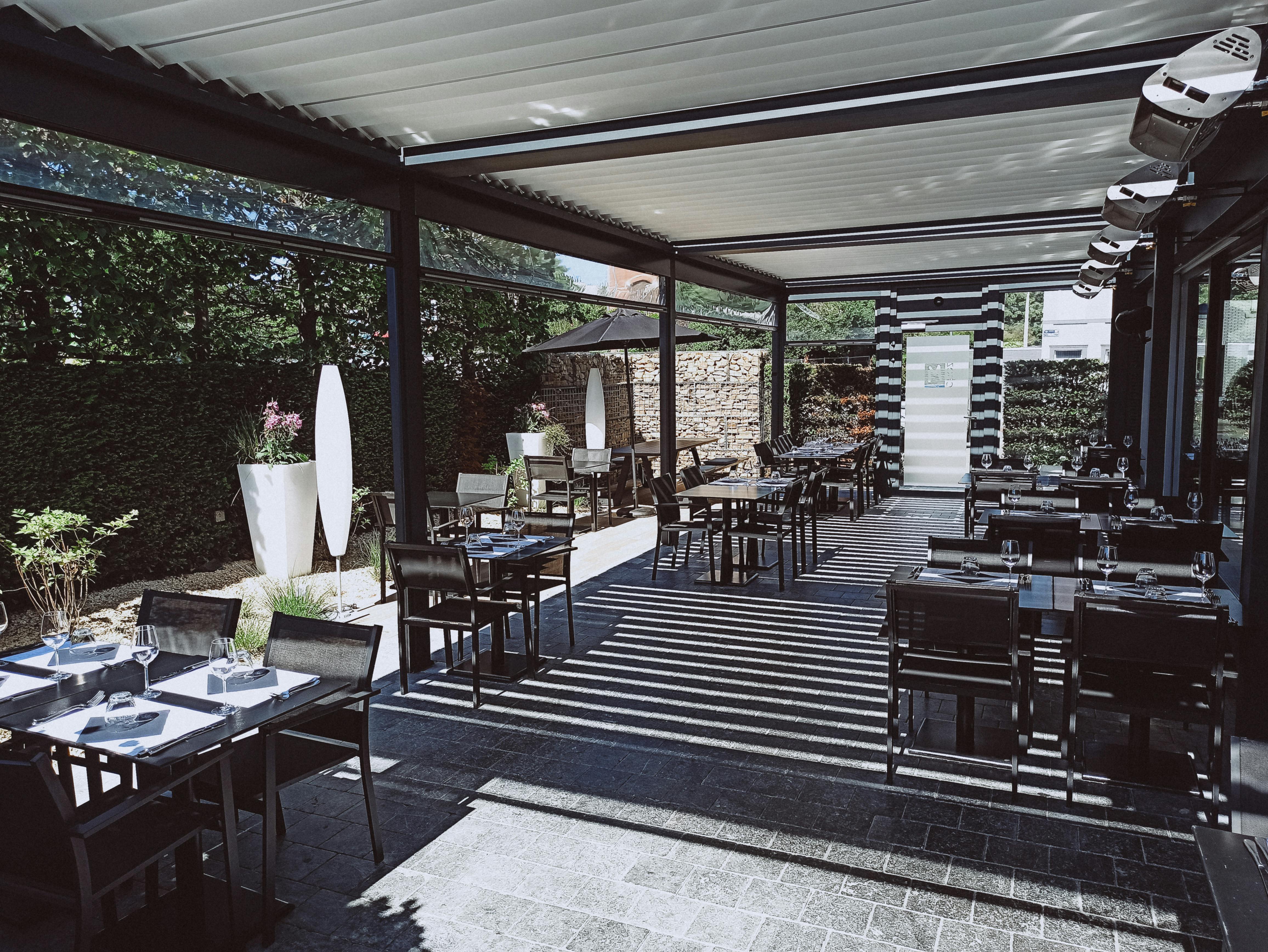
Alfresco refers to an outdoor living space designed for enjoying the fresh air while being partially or fully protected from the elements. It typically involves a covered or partially covered area, often attached to a home or a building.
The design aims to merge indoor and outdoor living by creating a space that provides comfort and shelter while still allowing users to feel connected to nature. Alfresco spaces can range from simple covered dining areas to fully enclosed outdoor rooms with amenities like kitchens, lounges, and fireplaces.
A unique feature of an alfresco is its versatility. Whether it’s used for casual family dinners, afternoon teas, or as an extension of the living room, an alfresco offers an indoor-outdoor living experience.
The design often incorporates natural elements such as wood, stone, and plants, blending with the surrounding environment. The space might include furniture, lighting, and other features that allow for easy relaxation or socialising, making it perfect for year-round use.
For those interested in creating their own alfresco, it’s essential to work with alfresco patio builders who understand the intricacies of outdoor design, structural stability, and aesthetic cohesion. These experts can help create a space that seamlessly integrates with your home and garden, ensuring both beauty and functionality.
Understanding Patios: More Than Just a Paved Area
A patio is a more general term, often used to describe an outdoor area paved with materials like stone, concrete, or brick. Typically found adjacent to a home, a patio is an open-air space that does not necessarily have a covering. Patios are typically designed for relaxation, dining, or socialising, and they are usually located in the backyard or garden.
Unlike an alfresco, a patio often lacks the protective roofing or walls that make an alfresco space feel more like a room. Instead, patios emphasise an open, unrestricted connection to nature.
This makes them ideal for those who want to enjoy the sun, fresh air, and evening breeze without being restricted by coverings. In some cases, patios may also be adorned with various outdoor furniture, firepits, or water features to enhance their comfort and aesthetic appeal.
For homeowners, the patio represents a blank canvas. Whether you envision a stylish entertaining area, a tranquil space for reading, or a playful zone for children, the design possibilities are endless.
That’s why choosing skilled alfresco patio builders who can create an elegant and practical layout is essential. These professionals understand how to balance functionality with style, ensuring that your patio becomes an enjoyable outdoor sanctuary.
Key Differences Between Alfresco and Patio Spaces
Design and Structure
One of the primary differences between an alfresco and a patio is the structure. Alfresco spaces typically have some form of cover, whether it’s a pergola, roof, or awning, to provide protection from the sun, rain, or wind.
This makes alfresco areas more versatile, allowing you to enjoy the outdoors regardless of the weather. In contrast, patios are usually uncovered spaces, offering an open-air experience. While some patios may include a shade structure, they often rely more on the natural surroundings for protection.
Purpose and Functionality
The intended use of each space also differentiates them. Alfresco areas are designed for comfort and convenience, often functioning as extended living spaces. They may include dining areas, outdoor kitchens, lounges, and entertainment zones, making them a popular choice for hosting gatherings and special events.
Patios, on the other hand, are often more casual spaces that serve as outdoor lounging areas. While they can certainly be used for dining or entertaining, they tend to focus more on relaxation and connection with the natural environment.
Aesthetic Appeal
Alfresco spaces often incorporate elements of design that blend with the home’s overall style. This includes integrating materials such as timber, stone, and glass, creating a more polished and refined look.
Patios tend to have a more utilitarian feel, focusing on simple materials like concrete, brick, or gravel. However, both spaces can be enhanced with landscaping, furniture, and decorative features, depending on the homeowner’s preferences.
Integration with the Home
While patios are typically independent structures, alfresco areas are designed to seamlessly integrate with the home. This may involve the use of matching materials, architectural elements, and even floor plans to create a cohesive look between the indoor and outdoor spaces. This integration makes Alfresco spaces feel like an extension of your living area, often blurring the line between indoors and outdoors.
The Role of Alfresco Patio Builders in Crafting the Perfect Space
When considering whether to build an alfresco or patio, the assistance of experienced alfresco patio builders can make all the difference. These experts can help homeowners assess their needs, select the right materials, and design a space that maximises both function and style.
Alfresco patio builders can also guide the construction process, ensuring that the space is properly executed to meet building codes, weather conditions, and aesthetic preferences.
Working with a professional team offers significant benefits, including customised designs, quality craftsmanship, and timely project completion. Whether you’re building a modern alfresco dining area, a cozy patio retreat, or a luxurious outdoor entertainment space, alfresco patio builders bring expertise and experience to help you achieve your vision.
Tips for Choosing the Right Alfresco or Patio Design for Your Home
Assess Your Outdoor Space
Before making a decision, it’s essential to assess your outdoor space. Consider the size, shape, and layout of your yard or garden. An alfresco area may work well in larger spaces where a covered outdoor room can be created, while a patio might be better suited for a smaller, more intimate area.
Determine Your Purpose
Think about how you intend to use the space. If you plan to host regular gatherings or enjoy meals outdoors, an alfresco may be a better fit. If you’re looking for a place to unwind and relax with family, a patio could be the more straightforward choice.
Consider the Climate
Your local climate can also influence your choice. If you live in an area with unpredictable weather, an alfresco may provide more year-round functionality. However, if you live in a consistently warm, sunny climate, a patio could be an ideal choice for enjoying the outdoors.
Budget and Maintenance
Finally, consider your budget and the amount of maintenance required. Alfresco spaces tend to be more expensive due to the additional structural components like roofing, while patios are often simpler and more affordable. Both options require maintenance, but an alfresco might need more attention due to its materials and fixtures.
Frequently Asked Questions
1. Can an alfresco area be built without a roof?
While a roof is typically an integral part of an alfresco design, it is possible to have an open alfresco area without a solid roof. A pergola or shade structure can provide partial coverage, allowing for an alfresco experience while still enjoying exposure to the elements.
2. How long does it take to build an alfresco or patio?
The timeline for building either an alfresco or patio depends on factors such as the complexity of the design, the materials used, and the size of the project. Generally, a simple patio may take a few weeks, while a more elaborate alfresco could take a few months to complete.
3. Which option adds more value to a home, an alfresco or a patio?
An alfresco is generally seen as an upgrade over a patio because it provides more comfort and functionality, making it a popular choice among buyers. However, both alfresco spaces and patios can increase the appeal of your home, depending on your region and local market.
Conclusion
Whether you choose an alfresco or a patio depends on your personal preferences, how you envision using your outdoor space, and your budget. Both options offer distinct advantages, with alfresco areas providing more protection and versatility, while patios offer a simpler and more open-air experience.
By working with experienced Alfresco patio builders, you can create an outdoor space that fits your lifestyle, enhances your property’s value, and provides lasting enjoyment for years to come.
