

The outdoor appearance of a commercial property can influence how people feel about a business before they ever walk through the front door. Clean lawns, healthy trees, tidy garden beds, trimmed hedges, neat pathways, and attractive common areas all create a sense of professionalism and care.
Whether the property is an office complex, retail centre, hotel, apartment development, industrial estate, school, or medical facility, the surrounding landscape plays a major role in presentation and functionality.
However, outdoor spaces do not stay attractive without regular attention. Grass continues to grow, weeds spread, trees need pruning, irrigation systems wear down, leaves accumulate, and seasonal weather changes affect plant health. This is why commercial landscape maintenance is essential for businesses and property managers who want consistent standards and long-term value.
Many people ask a basic but important question: What is the meaning of landscape maintenance? Landscape maintenance means the ongoing care, management, and improvement of outdoor landscaped areas to keep them healthy, safe, functional, and visually appealing.
It includes services such as mowing, pruning, weeding, irrigation checks, fertilising, planting, waste removal, edging, pest control, and seasonal improvements.
This blog explores Commercial Landscape Maintenance in detail, explains what landscape maintenance means, and shows why it is one of the smartest investments for any business property.
Understanding the Meaning of Landscape Maintenance
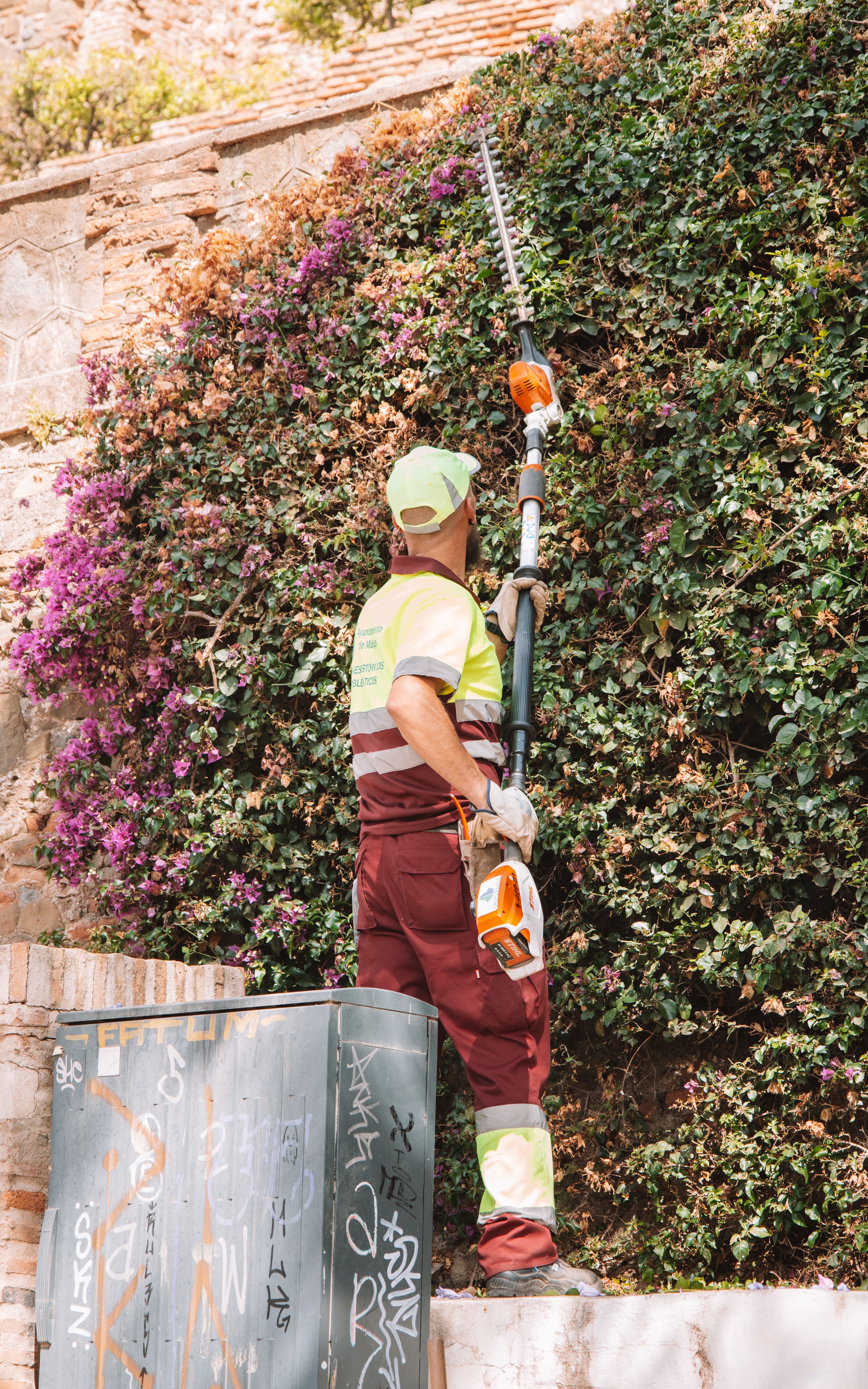
Landscape maintenance is the regular care of outdoor environments that have been designed, planted, or developed for practical and visual purposes.
More Than Simple Gardening
Many people think maintenance only means cutting grass or pulling weeds. In reality, it covers a broad range of tasks involving turf, trees, shrubs, irrigation systems, soil health, safety, and appearance.
Protects Existing Investment
Installing landscapes can cost significant time and money. Maintenance protects that investment and helps plants mature properly.
Supports Long-Term Performance
Without maintenance, even beautiful landscapes decline quickly.
What Makes Commercial Landscape Maintenance Different
Commercial properties usually require a higher level of consistency than residential gardens.
High Visibility
Customers, staff, tenants, and visitors may see the site every day.
Larger Areas
Commercial grounds often include car parks, entry zones, lawns, common gardens, perimeter planting, and outdoor seating areas.
Safety Requirements
Public access means paths, trees, drainage, and visibility must be managed carefully.
Brand Impact
The landscape often reflects the organisation’s standards.
Examples of Commercial Properties That Need Landscape Maintenance
Office Buildings
Professional outdoor spaces support corporate image.
Retail Centres
Clean landscapes improve customer experience.
Hotels and Resorts
Gardens contribute strongly to guest impressions.
Schools and Universities
Large campuses need practical ongoing care.
Hospitals and Clinics
Green spaces can create a calmer environment.
Industrial Sites
Maintained frontages improve presentation.
Apartment Complexes
Shared grounds add value for residents.
Core Services Included in Commercial Landscape Maintenance
Lawn Mowing and Turf Management
Grass areas need regular care.
Routine Mowing
Keeps growth neat and healthy.
Edging
Sharp borders improve appearance.
Repair and Renovation
Patchy lawns may need reseeding or turf replacement.
Weeding and Garden Bed Care
Weeds compete with ornamental plants and reduce visual quality.
Manual or Targeted Control
Methods depend on site needs.
Mulching
Mulch suppresses weeds and conserves moisture.
Tree and Shrub Care
Trees and shrubs require professional management.
Pruning
Controls size, shape, and clearance.
Health Monitoring
Early disease detection saves valuable plants.
Safety Management
Dead or unstable limbs should be removed.
Irrigation Management
Water systems are critical for plant health.
Leak Detection
Broken lines waste water and damage areas.
Coverage Testing
Dry spots may indicate poor sprinkler alignment.
Fertilising and Soil Improvement
Plants need nutrients and healthy root zones.
Waste Removal and Cleanup
Leaves, branches, and litter should be cleared regularly.
Seasonal Planting
Fresh colour and replacements maintain appeal.
Why Commercial Landscape Maintenance Matters
First Impressions
People notice the exterior immediately.
Professional Presentation
Well-kept grounds suggest high standards.
Welcoming Atmosphere
Greenery softens buildings and concrete areas.
Property Value
Attractive grounds support rental appeal and resale perception.
Safety
Overgrown or neglected landscapes can create hazards.
Environmental Benefits
Healthy landscapes can improve shade, cooling, and water absorption.
What Is the Best Routine for Landscape Maintenance
Consistency is more important than occasional major cleanups.
Weekly or Fortnightly Visits
Routine mowing, trimming, inspection, and tidying.
Monthly Detailed Tasks
Weeding, pruning, feeding, and reporting.
Quarterly Reviews
Assess irrigation, plant health, seasonal needs, and problem areas.
Annual Improvement Plan
Refresh worn zones, redesign weak areas, replace failing plants.
How Often Should Commercial Landscapes Be Maintained
Weekly
High-profile or fast-growing sites.
Fortnightly
Common for offices and mixed-use properties.
Monthly
Lower-maintenance landscapes or smaller sites.
Seasonal Intensive Work
Major pruning, turf renovation, mulching, and upgrades.
Common Problems Landscape Maintenance Prevents
Overgrown Entrances
Poor presentation can harm first impressions.
Weed Spread
Weeds become harder and costlier to control over time.
Patchy Lawns
Often caused by neglect, compaction, or irrigation issues.
Dead Plants
Unnoticed water stress or disease can escalate.
Blocked Pathways
Leaves and plant growth can reduce safety.
Tree Hazards
Unmaintained trees may create liability risks.
The Role of Irrigation in Landscape Maintenance
Efficient Watering Saves Money
Smart irrigation reduces waste.
Deep Watering Supports Roots
Shallow watering can weaken plants.
Seasonal Adjustment Is Essential
Water needs change throughout the year.
Maintenance of Irrigation Systems Matters
Timers, valves, and heads need checks.
Landscape Maintenance for Different Business Types
Corporate Offices
Neat presentation and employee well-being are priorities.
Retail Spaces
Landscapes should feel inviting and clean.
Healthcare Facilities
Comfort and calm surroundings matter.
Industrial Sites
Practical, durable maintenance is often preferred.
Hospitality Venues
High visual standards are expected.
Schools
Safety and functionality are key.
How Landscape Maintenance Supports Branding
Premium Appearance
A refined landscape can elevate perceived quality.
Trust Through Order
Clean outdoor areas suggest organised operations.
Memorable Arrival Experience
Visitors form opinions before entering.
Consistency Across Locations
Multi-site businesses often use landscaping to maintain brand standards.
Choosing Plants for Easier Maintenance
Climate-Suitable Species
Plants adapted to local conditions perform better.
Low-Water Plants
Useful for sustainability goals.
Slow-Growing Shrubs
Reduce pruning frequency.
Dense Groundcovers
Help suppress weeds.
Seasonal Colour in Key Areas
Adds impact without redesigning whole sites.
Technology in Modern Landscape Maintenance
Smart Irrigation Controllers
Automatically adjust watering schedules.
Battery Equipment
Quieter tools suit offices and residential-adjacent sites.
Digital Reports
Photos and service notes help managers.
Scheduling Software
Improves consistency and accountability.
How to Choose a Commercial Landscape Maintenance Provider
Commercial Experience
Commercial sites have different expectations than homes.
Insurance and Safety Standards
Important for public-access properties.
Reliable Scheduling
Missed visits become visible quickly.
Strong Communication
Managers value updates and quick responses.
Scalable Services
Growing properties may need expanded support.
Budgeting for Commercial Landscape Maintenance
Small Sites
Lower costs with limited grounds.
Medium Properties
More zones increase labour and planning.
Large Campuses
Require teams, equipment, and systems.
Premium Sites
Higher standards may justify advanced programs.
How to Reduce Long-Term Maintenance Costs
Maintain Consistently
Routine care prevents expensive recovery work.
Use Efficient Irrigation
Water costs can be controlled.
Choose the Right Plants
Wrong plant choices create ongoing expense.
Mulch Properly
Retains moisture and suppresses weeds.
Repair Early
Small issues become large bills when ignored.
Frequently Asked Questions
What is the meaning of landscape maintenance?
Landscape maintenance means the ongoing care and management of outdoor landscaped areas to keep them healthy, safe, functional, and attractive.
What services are included?
Mowing, pruning, weeding, irrigation checks, fertilising, planting, waste removal, edging, and seasonal improvements.
How often should commercial landscapes be maintained?
Usually weekly, fortnightly, or monthly, depending on size and standards.
Why is it important for businesses?
It improves image, safety, customer experience, and property value.
Can small businesses benefit too?
Yes. Even modest landscapes can improve first impressions significantly.
Signs Your Landscape Needs Immediate Attention
Yellow or Dying Plants
May indicate irrigation or soil issues.
Visible Weeds Everywhere
Shows maintenance gaps.
Overgrown Paths
Can affect safety and access.
Pooling Water
Often linked to drainage or irrigation faults.
Bare Lawn Areas
Need prompt repair before worsening.
Landscape Maintenance and Employee Wellbeing
Outdoor Break Areas
Green spaces support staff comfort.
Reduced Visual Stress
Plants soften harsh built environments.
Improved Workplace Pride
Well-kept grounds can lift morale.
Encourages Outdoor Use
Pleasant landscapes invite people outside briefly during breaks.
Building a Long-Term Maintenance Strategy
Know the Purpose of Each Area
Entry statement, relaxation zone, privacy screen, or practical frontage.
Create Seasonal Schedules
Different seasons require different care.
Review Annually
Update weak zones and ageing plants.
Track Performance
Water use, plant survival, and presentation quality can be measured.
Why Maintenance Is More Important Than Installation Alone
A new landscape may look impressive on day one, but without care, it can decline rapidly.
Maintenance Protects Capital Spend
Installation costs deserve protection.
Small Tasks Prevent Major Failures
Routine checks stop problems early.
Mature Landscapes Become Assets
Healthy, established gardens add long-term value.
Consistency Shapes Reputation
Businesses are judged by the details people see regularly.
Commercial Landscape Maintenance Trends
Sustainable Landscaping
Businesses increasingly prefer low-water and eco-friendly solutions.
Native Planting Schemes
Often hardy and locally appropriate.
Wellness-Oriented Outdoor Spaces
More property values in staff-friendly green zones.
Low-Noise Equipment
Useful near offices, hotels, and residential neighbours.
Conclusion
Commercial landscape maintenance is the ongoing care that keeps business outdoor spaces attractive, safe, and functional. It includes mowing, pruning, weeding, irrigation management, planting, cleanup, and strategic improvements that preserve the quality of a property over time.
So, what is the meaning of landscape maintenance? It means managing and caring for landscaped outdoor areas so they remain healthy, organised, and visually appealing. In commercial settings, this becomes even more important because the landscape influences customers, employees, tenants, and visitors every day.
Businesses that invest in consistent commercial landscape maintenance benefit from stronger first impressions, healthier plants, safer grounds, and better long-term value. With the right maintenance plan, any property can keep its outdoor spaces working as hard as the business itself.
