

Running a business involves maintaining not only productivity and customer satisfaction but also a clean, safe, and compliant environment. One often overlooked yet critical aspect of this responsibility is pest control.
Unlike residential settings, commercial spaces face unique challenges due to higher foot traffic, larger premises, and stricter health and safety standards. This is where commercial pest control becomes essential.
Many business owners ask, ” What does commercial pest control mean, and how does it differ from basic pest management. The answer lies in its scale, complexity, and strategic approach. Commercial pest control is not just about eliminating pests; it is about preventing infestations, protecting assets, and ensuring compliance with industry regulations.
This guide explores Commercial Pest Control in detail, explaining its meaning, importance, methods, and benefits. It provides a thorough understanding of how professional pest management supports businesses across different industries.
Understanding Commercial Pest Control
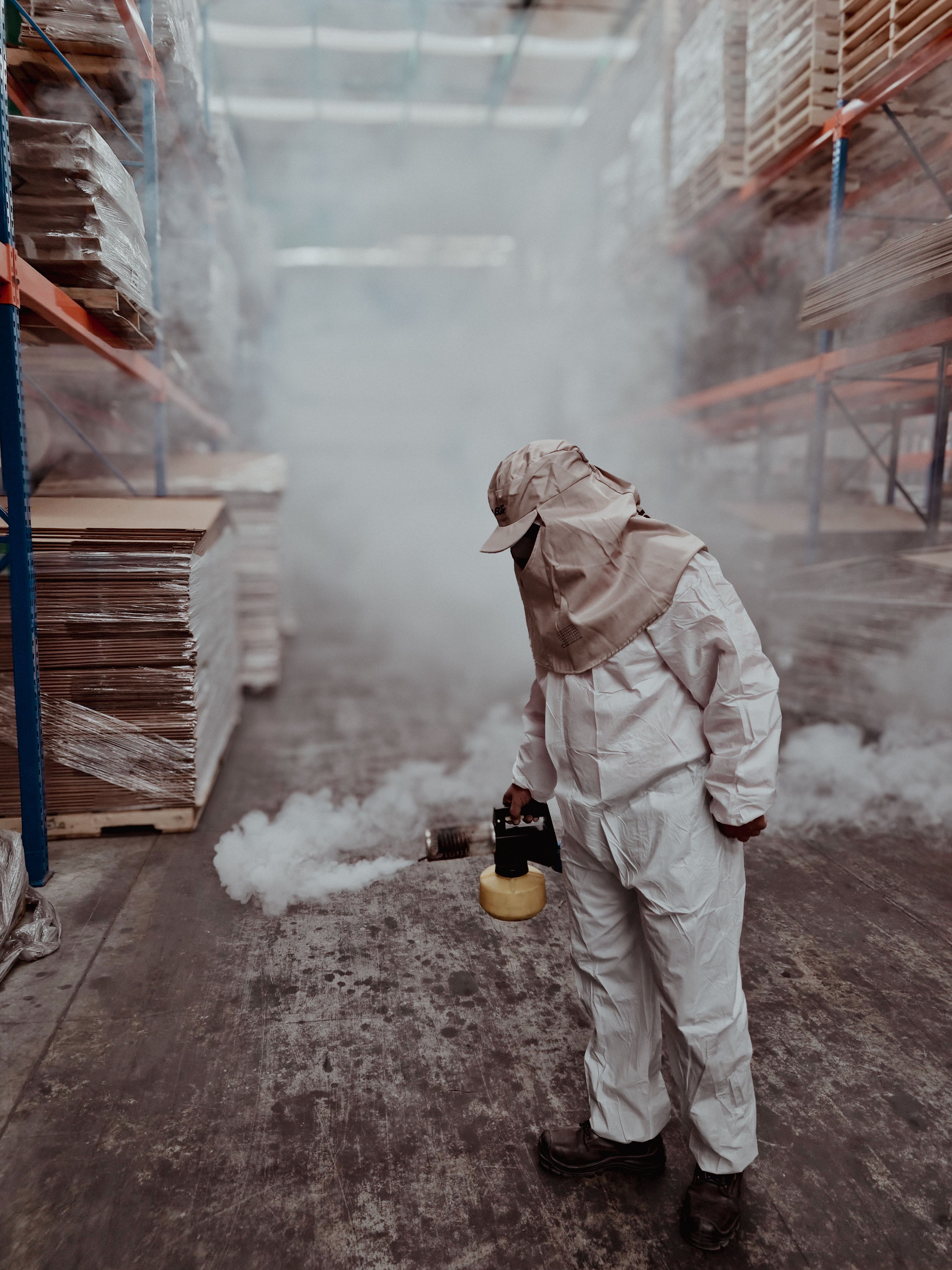
Commercial pest control refers to the systematic management of pests in business environments such as offices, restaurants, warehouses, retail stores, and industrial facilities. It involves specialised techniques designed to handle larger spaces and more complex conditions than residential pest control.
Definition and Scope
Commercial pest control is a professional service that focuses on identifying, preventing, and eliminating pests in commercial properties. It goes beyond simple treatment by incorporating monitoring systems, risk assessments, and long-term prevention strategies.
The scope of commercial pest control includes everything from routine inspections to emergency treatments. It also involves documentation and reporting, which are often required for regulatory compliance in certain industries.
How It Differs from Residential Pest Control
While residential pest control focuses on homes, commercial pest control deals with larger and more diverse environments. Businesses often have higher standards for hygiene and safety, requiring more advanced solutions.
Additionally, commercial pest control must consider the impact on customers, employees, and operations. Treatments are carefully planned to minimise disruption while maintaining effectiveness.
Why Commercial Pest Control Is Important
Pest control is not just a maintenance task for businesses; it is a critical component of operational success.
Protecting Health and Safety
Pests such as rodents, cockroaches, and flies can carry diseases and contaminate food or surfaces. In industries like food service and healthcare, this poses serious health risks.
Effective pest control helps prevent contamination and ensures a safe environment for both employees and customers.
Maintaining Business Reputation
A pest infestation can damage a company’s reputation quickly. Customers expect clean and hygienic environments, and visible pests can lead to negative reviews and loss of trust.
Regular pest control demonstrates professionalism and commitment to quality.
Preventing Property Damage
Certain pests, such as termites and rodents, can cause significant structural damage. They may chew through wiring, wood, and insulation, leading to costly repairs.
Commercial pest control helps identify and address these risks early.
Ensuring Regulatory Compliance
Many industries are subject to strict health and safety regulations. Failure to maintain proper pest control can result in fines, closures, or legal action.
Professional services ensure compliance with relevant standards and guidelines.
Common Pests in Commercial Environments
Different types of businesses attract different pests.
Rodents
Rats and mice are common in warehouses, restaurants, and storage facilities. They are attracted to food sources and can spread diseases.
Cockroaches
Cockroaches thrive in warm, moist environments such as kitchens and bathrooms. They reproduce quickly and are difficult to eliminate without professional help.
Ants
Ants can invade food preparation areas and storage spaces. While they may seem harmless, they can contaminate products and create hygiene issues.
Flies
Flies are a major concern in food-related businesses. They can carry bacteria and contaminate surfaces.
Termites
Termites are a significant threat to wooden structures. They can cause extensive damage if not detected early.
How Commercial Pest Control Works
Commercial pest control follows a structured process to ensure effectiveness.
Inspection and Assessment
The process begins with a thorough inspection of the property. Professionals identify the type of pest, the extent of infestation, and potential entry points.
This assessment helps determine the most appropriate treatment plan.
Identification of Risk Areas
High-risk areas such as kitchens, storage rooms, and waste disposal zones are closely examined. These areas often provide food, water, and shelter for pests.
Treatment Planning
Based on the findings, a customised treatment plan is developed. This plan outlines the methods, frequency, and safety measures required.
Implementation of Control Measures
Control measures may include chemical treatments, traps, baits, or physical barriers. The choice of method depends on the type of pest and the environment.
Monitoring and Follow-Up
Regular monitoring ensures that the treatment is effective. Follow-up visits help prevent reinfestation and maintain a pest-free environment.
Methods Used in Commercial Pest Control
Professionals use a variety of methods to manage pests.
Chemical Treatments
These include sprays, gels, and baits designed to eliminate pests. They are applied carefully to ensure safety and effectiveness.
Biological Control
In some cases, natural predators or environmentally friendly solutions are used to control pest populations.
Mechanical Methods
Traps and barriers are used to capture or block pests. These methods are often combined with other treatments for better results.
Integrated Pest Management
Integrated Pest Management combines multiple strategies to achieve long-term control. It focuses on prevention, monitoring, and targeted treatments.
Industries That Require Commercial Pest Control
Different industries have unique pest control needs.
Food and Hospitality
Restaurants, cafes, and hotels must maintain strict hygiene standards. Pest control is essential to prevent contamination and comply with regulations.
Healthcare Facilities
Hospitals and clinics require clean environments to protect patients. Pest control helps prevent the spread of infections.
Retail and Shopping Centres
Retail spaces must provide a pleasant shopping experience. Pest infestations can disrupt operations and damage reputation.
Warehousing and Logistics
Storage facilities often attract pests due to stored goods. Pest control helps protect inventory and maintain safety.
Offices and Corporate Spaces
Even office environments can experience pest issues. Regular control measures ensure a comfortable workspace.
Benefits of Professional Commercial Pest Control
Hiring professionals offers several advantages.
Expertise and Knowledge
Professionals understand pest behaviour and know how to address different infestations effectively.
Advanced Equipment
They use specialised tools and products that are not available to the general public.
Long Term Solutions
Professional services focus on prevention and long-term control rather than temporary fixes.
Time and Cost Efficiency
While there is an upfront cost, professional pest control can save money by preventing damage and recurring issues.
Challenges in Commercial Pest Control
Managing pests in commercial settings can be complex.
Large Scale Operations
Large properties require more resources and coordination.
Continuous Activity
Businesses often operate around the clock, making it difficult to schedule treatments.
Diverse Environments
Different areas within the same property may require different approaches.
Preventive Measures for Businesses
Prevention is a key aspect of commercial pest control.
Maintaining Cleanliness
Regular cleaning reduces food sources and hiding places for pests.
Proper Waste Management
Garbage should be stored and disposed of properly to avoid attracting pests.
Sealing Entry Points
Cracks and openings should be sealed to prevent pests from entering.
Staff Training
Employees should be trained to recognise signs of pests and follow hygiene practices.
Cost Considerations in Commercial Pest Control
Understanding costs helps businesses plan effectively.
Factors Affecting Cost
Costs depend on property size, type of pest, and frequency of service.
Value of Regular Maintenance
Regular pest control is often more cost-effective than dealing with large infestations.
Choosing the Right Pest Control Provider
Selecting the right provider is essential for success.
Experience and Reputation
Look for providers with proven experience in commercial settings.
Customised Services
Choose a provider that offers tailored solutions for your business.
Compliance and Certification
Ensure the provider meets industry standards and regulations.
Frequently Asked Questions
What does commercial pest control mean?
It refers to professional pest management services designed for businesses, focusing on prevention, monitoring, and elimination of pests in commercial environments.
Is commercial pest control necessary for all businesses?
Yes, because pests can affect any type of business and pose risks to health, safety, and reputation.
How often should commercial pest control be done?
Frequency depends on the industry and risk level, but regular inspections and treatments are recommended.
Conclusion
Commercial pest control is an essential service that goes far beyond simple pest removal. It is a comprehensive approach to protecting businesses, ensuring safety, and maintaining compliance with industry standards.
By understanding what commercial pest control means and how it works, business owners can make informed decisions and invest in effective solutions. Whether through preventive measures or professional services, maintaining a pest-free environment is crucial for long-term success.
A proactive approach to pest control not only protects assets but also enhances reputation and ensures a safe, clean space for everyone involved.
