

A residential yard can look beautiful when trees are healthy and outdoor spaces are well maintained. Trees provide shade, privacy, cooling benefits, and natural charm that make a home feel more welcoming. However, every homeowner eventually faces one common seasonal challenge: fallen leaves.
When leaves begin covering the lawn, pathways, flower beds, patios, and driveways, the property can quickly look untidy and harder to maintain. Wet leaves may become slippery, thick layers can smother grass, and neglected piles may attract pests or block drainage areas.
Because of this, many homeowners ask a practical question: what is the easiest way to clean up yard leaves? The answer depends on yard size, tree density, physical ability, available tools, weather conditions, and whether you want to dispose of leaves or reuse them as mulch or compost. For one home, a rake and tarp may be the easiest method. For another, a blower or mulching mower may save the most time.
Cleaning leaves does not need to be exhausting or frustrating. With the right system, the task can become faster, lighter, and more manageable. Many homeowners make the job harder simply by waiting too long, using the wrong tool, or working without a plan.
This guide explains the easiest ways to do Residential Leaf Cleaning, the best tools for different homes, step-by-step cleanup methods, common mistakes to avoid, and how to keep your yard cleaner with less effort throughout the season.
Why Residential Leaf Cleanup Matters
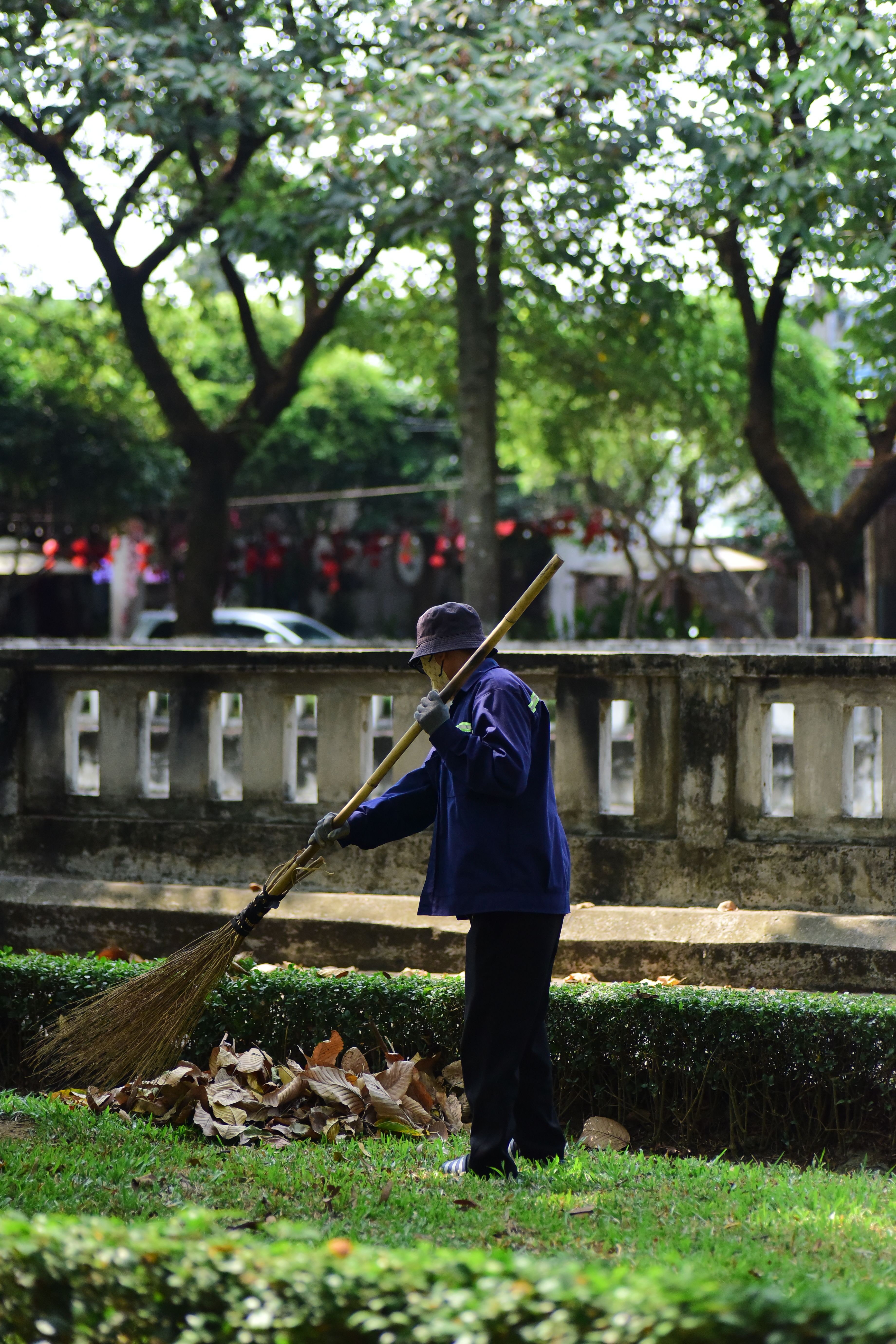
Some leaves on the ground are natural and harmless, but heavy accumulation creates several problems around the home.
Grass needs sunlight, airflow, and balanced moisture. Thick leaf layers block sunlight and trap moisture against the lawn. This can lead to yellow patches, thinning grass, mold, and fungal problems. Wet compacted leaves are especially harmful when left for long periods.
Leaves on driveways, pathways, patios, and steps can become slippery, increasing fall risk for family members, visitors, children, and older adults. Leaves may also collect near drains and gutters, slowing water flow during rain.
Appearance matters as well. Even a tidy home can look neglected when leaves cover the front entrance, lawn edges, and visible outdoor areas.
Regular leaf cleanup helps protect lawn health, improve safety, and maintain curb appeal.
What Is the Easiest Way to Clean Up Yard Leaves
The easiest way to clean up yard leaves is to remove them regularly in smaller amounts using the right tool for your property, then gather them into one collection area for disposal, mulching, or composting.
For small residential yards, a lightweight rake and tarp system is often easiest. For medium to large yards, a leaf blower or mulching mower usually saves time and physical effort. Instead of waiting until leaves become deep and wet, weekly cleanup during leaf season is usually much easier.
The simplest process is to clear hard surfaces first, move leaves into manageable piles, finish edges and corners, then bag, compost, or mulch the debris immediately.
The easiest method is not always the most expensive tool. It is the one that matches your yard and reduces total effort.
Why Waiting Too Long Makes Cleanup Harder
Many homeowners delay leaf cleanup until the yard looks overwhelming. This usually creates extra work.
Fresh dry leaves are lighter and easier to move. They rake smoothly, blow efficiently, and fill bags without excessive weight. Once rain soaks the leaves, they cling to grass, stick to concrete, and become dense heavy piles.
Leaves left too long may also compress under foot traffic or lawn moisture. Compacted leaves are harder to rake and may require repeated passes.
A weekly or biweekly routine often takes less total time than one large cleanup at the end of the month.
Consistent small sessions are usually the easiest strategy.
Understanding Your Residential Yard Type
Every home has different cleanup needs. Knowing your yard style helps choose the right method.
Small Courtyard or Townhouse Yard
Compact yards with paved areas and limited lawn often need only a broom, rake, or compact blower. Cleanup is usually quick when done regularly.
Standard Suburban Yard
Homes with front lawn, driveway, side access, and backyard often benefit from a rake plus blower combination.
Large Residential Property
Homes with many trees, wide lawns, and multiple outdoor zones may need a backpack blower, mower with bagger, or hired service.
Decorative Landscaped Yard
Properties with flower beds, gravel paths, water features, and delicate planting require gentler tools and more detail work.
Matching the method to the yard avoids wasted effort.
Best Tools for Easy Residential Leaf Cleaning
The right tools make a major difference in comfort and speed.
Leaf Rake
A quality leaf rake remains one of the best household tools. Lightweight wide-head rakes gather leaves effectively on lawns and around plants.
Modern ergonomic rakes reduce strain compared with older heavy models.
Leaf Blower
Blowers are excellent for driveways, patios, garages, lawns, and larger spaces. They reduce bending and speed up cleanup significantly.
Battery blowers are especially popular for homes because they are quieter and easier to start.
Mulching Lawn Mower
A mower with mulching blades can chop dry leaves into fine pieces. This saves bagging effort and may feed the lawn naturally.
Lawn Vacuum
Leaf vacuums collect debris directly into bags. Some homeowners prefer suction rather than blowing.
Tarp
A tarp is one of the most overlooked tools. Pile leaves onto it and drag the load instead of carrying many bags.
Yard Bags or Bins
Reusable bins or strong paper yard bags simplify transport and disposal.
The Easiest Method for Small Yards
For small homes or townhouse yards, a rake-and-tarp system is often ideal.
Begin at fences, walls, and corners where leaves gather. Rake gently toward the center of the yard. Once enough leaves collect, spread a tarp beside the pile and rake leaves onto it.
Drag the tarp to your compost area or waste collection point.
Use a broom for patios and hard surfaces after the main cleanup.
This method requires minimal equipment and little storage space.
The Easiest Method for Medium Yards
Medium suburban homes usually benefit from combining a blower and rake.
Use the blower to move leaves from open lawn areas and hard surfaces into central piles. Then use the rake for detailed cleanup near garden beds, shrubs, steps, and narrow spaces.
Transfer piles into bags or onto a tarp.
This mixed approach saves time because the blower handles volume while the rake handles precision.
The Easiest Method for Large Residential Yards
Large residential properties with mature trees often produce heavy leaf fall.
Use a backpack blower or high-capacity battery blower to move leaves into rows or large piles. If the lawn is suitable, use a mower with bagger or mulching system to collect leaves efficiently.
Work in zones rather than attempting the entire property at once. Finish front yard, then side yard, then backyard.
If leaf volume is extreme, hiring seasonal residential leaf cleaning services may be the easiest and smartest option.
Why Hard Surfaces Should Be Cleaned First
Driveways, patios, and pathways usually clean faster than lawns. Clearing these areas first provides quick visible progress and immediately improves safety.
Leaves on hard surfaces also move easily into collection piles.
Once hard surfaces are finished, move onto lawn areas where leaves may be more scattered.
This simple order makes the whole task feel easier.
How to Use a Leaf Blower Properly at Home
Start from the farthest point from your collection zone. Work with the wind if possible.
Use low to medium power first. Many homeowners use too much force, scattering leaves into flower beds and neighboring areas.
Use smooth side-to-side motions and guide leaves gradually into rows or piles.
Lower power near mulch, gravel, or delicate plants.
A planned blower route saves time and reduces frustration.
How to Use a Mulching Mower for Leaves
When leaves are dry and not too deep, mowing them can be one of the easiest cleanup methods.
Set the mower to mulch mode and pass over leaf-covered lawn areas. Fine chopped pieces break down faster and can feed soil.
If leaves are thick, mow twice in crossing directions.
Do not leave thick whole layers on the grass. Mulching works best when pieces are small and spread lightly.
Composting Leaves at Home
Leaves are useful organic material. Instead of throwing everything away, composting can turn yard waste into nutrient-rich soil.
Create a compost pile or bin. Mix leaves with grass clippings, kitchen vegetable scraps, and green garden waste. Turn occasionally for airflow.
Over time, the material breaks down into compost for flower beds, vegetable gardens, and planting projects.
This reduces disposal volume and supports sustainable home gardening.
Using Leaves as Mulch Around Plants
Shredded leaves can be placed around trees, shrubs, and garden beds as mulch.
A moderate layer helps retain moisture, reduce weeds, and slowly enrich soil.
Keep mulch slightly away from trunks and stems to avoid moisture problems.
Whole leaves can mat together, so shredded leaves are usually better.
Step by Step Residential Leaf Cleanup Routine
A repeatable routine makes every cleanup easier.
First, inspect the yard and remove toys, hoses, branches, and movable obstacles.
Second, choose where leaves will end up.
Third, clear front entrances and visible hard surfaces first.
Fourth, gather lawn leaves into piles.
Fifth, detail edges, corners, and garden beds.
Sixth, bag, compost, or mulch the leaves.
Seventh, do a final visual pass for missed areas.
Following a routine reduces wasted movement.
Common Mistakes Homeowners Make
One common mistake is using a heavy metal rake meant for soil instead of a leaf rake.
Another is overfilling bags until they tear or become too heavy to lift.
Many people also wait until leaves are soaked and compacted.
Using maximum blower power everywhere often creates dust and scattered debris.
Starting without a final disposal plan causes repeated movement of piles.
Avoiding these mistakes makes cleanup far easier.
Protecting the Lawn During Cleanup
Aggressive raking can damage grass crowns and loosen healthy turf.
Use light pulling motions that lift leaves rather than digging downward.
Do not leave wet piles sitting on grass after gathering them.
If mulching leaves into the lawn, ensure chopped material is thin enough that grass can still breathe and receive light.
Healthy lawns need gentle cleanup methods.
Cleaning Leaves from Flower Beds
Leaves trapped in flower beds should be handled carefully.
Use low blower power, gentle hand raking, or manual pickup around delicate plants. Avoid stripping mulch or exposing roots.
Beds often require slower detail work than open lawn areas, but careful handling protects landscaping.
Residential Leaf Cleanup for Seniors
For older homeowners or anyone with limited strength, the easiest method may focus on reducing lifting.
Use lightweight tools, smaller bags, rolling yard carts, and short work sessions. Battery blowers reduce pulling cords and engine strain.
Hiring help for peak leaf season is also a practical solution that protects health and comfort.
Family-Friendly Leaf Cleanup
Leaf cleanup can become easier when shared.
Children can gather small piles, hold bags, sweep patios, or help transport light loads. Short timed cleanup sessions often feel less tiring than assigning one person the whole task.
Shared effort keeps the yard tidy with less stress.
When to Hire Residential Leaf Cleaning Services
Hiring professionals may be easiest when:
The property is large.
Leaf fall is heavy.
You lack time.
Physical strain is a concern.
The yard must look presentable for sale, inspection, or events.
Professionals often complete in one visit what may take homeowners several hours.
Seasonal Strategies for Leaf Cleanup
Autumn
Most frequent cleanup season. Weekly service is often ideal.
Winter
Wet leaves and storm debris require safety-focused cleanup.
Spring
Blossoms, light debris, and leftover leaves may need smaller tidy-ups.
Summer
Less leaf fall for many homes, but patios and outdoor areas may still need occasional clearing.
Adapting to seasons keeps work manageable.
Eco-Friendly Residential Leaf Management
Avoid burning leaves where unsafe or restricted.
Use composting, municipal green waste pickup, mulching, or reusable bags.
Battery blowers may reduce emissions and noise compared with gas units.
Environmentally smart methods often benefit the home as well.
Storing Leaf Cleanup Tools
Store rakes dry and off the ground. Charge blower batteries properly. Clean mower decks after mulching leaves. Replace torn gloves and worn bags before next season.
Maintained tools are easier to use and last longer.
Creating a Weekly Home Routine
Choose one regular day during leaf season. Spend twenty to forty minutes rather than several exhausting hours later.
Focus on entrances, paths, visible front areas, then the lawn.
Routine attention keeps leaves under control continuously.
Frequently Asked Questions
Is raking or blowing easier for homes?
Raking is often easier for small yards. Blowing is usually easier for medium and large properties.
Can I leave some leaves on the lawn?
Light finely mulched leaf particles may be acceptable, but thick whole layers should be removed.
How often should homeowners clean leaves?
Weekly or biweekly cleanup during heavy leaf season is usually easiest.
Conclusion
If you are asking what is the easiest way to clean up yard leaves, the best answer is to clean regularly, use tools suited to your property, and gather leaves into one planned collection point. Small homes may need only a rake and tarp, while larger yards benefit from blowers or mulching mowers.
Residential leaf cleaning becomes difficult mainly when leaves are ignored too long or the wrong method is used. With a smart routine, the task becomes quicker, lighter, and more manageable.
A clean yard protects the lawn, improves safety, and keeps your home looking cared for year-round. The easiest solution is not doing more work—it is doing the work more smartly.
