

Keeping a home or business entirely free from pests is a goal many people strive for, especially after experiencing the stress and disruption that infestations can cause.
Whether it involves insects, rodents, or other unwanted invaders, pests can damage property, spread disease, and create an uncomfortable environment. The question many homeowners and property managers ask is simple yet complex: how to 100% get rid of all the pests?
The idea of eliminating pests forever may sound appealing, but the reality requires a more practical and informed approach. Achieving long-term pest freedom involves a combination of professional pest removal services, proper sanitation, structural improvements, and ongoing prevention strategies.
This article explores how Pest Removal Services work and what it truly takes to reach a near-complete elimination of pests in any environment.
Understanding the Reality of Pest Elimination
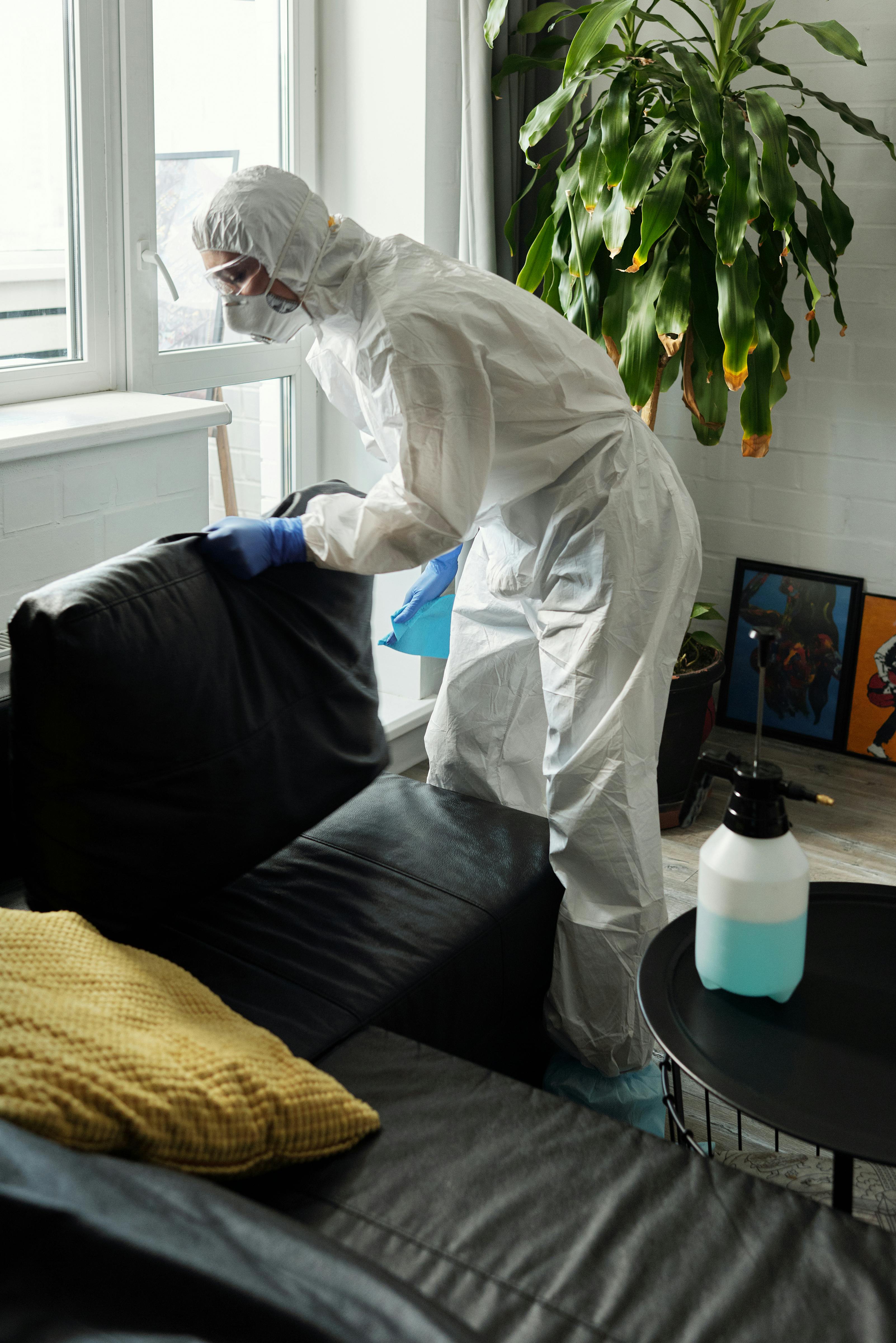
Before diving into solutions, it is important to understand what “100% pest removal” truly means in a real-world context.
Is Complete Pest Elimination Possible
In controlled environments, such as sealed facilities, it may be possible to eliminate pests. However, in typical homes and commercial spaces, achieving absolute zero pests at all times is extremely challenging due to environmental factors.
Pests are part of the natural ecosystem, and they can re-enter spaces through small openings, deliveries, or even on clothing. The goal of pest removal services is to reduce pest populations to zero or near-zero levels and maintain that condition through prevention.
The Difference Between Removal and Control
Pest removal focuses on eliminating active infestations, while pest control involves ongoing measures to prevent pests from returning. Both are essential for long-term success.
Understanding this distinction helps set realistic expectations and ensures that efforts are focused on sustainable results rather than temporary fixes.
Common Types of Household and Commercial Pests
Different pests require different strategies, which is why identifying the type of pest is the first step in effective removal.
Insects
Common insect pests include ants, cockroaches, termites, and bed bugs. These pests often reproduce quickly and can hide in small spaces, making them difficult to eliminate without targeted treatments.
Rodents
Rats and mice are common in both residential and commercial environments. They can cause structural damage, contaminate food, and spread diseases.
Wildlife and Other Pests
In some areas, larger pests such as birds, possums, or other wildlife may also require removal services. These pests often need specialised handling and compliance with local regulations.
How to 100 Per cent Get Rid of All the Pests
Achieving complete pest removal requires a systematic approach that addresses every aspect of the infestation.
Step One: Comprehensive Inspection and Assessment
The first step in any pest removal process is a thorough inspection of the property.
Identifying Pest Types and Activity
Professionals examine the property to determine which pests are present, where they are active, and how severe the infestation is.
This step ensures that the treatment plan is tailored to the specific problem rather than using a one-size-fits-all approach.
Locating Entry Points and Nesting Areas
Inspectors identify cracks, gaps, and hidden spaces where pests enter and breed. These areas are critical to address to prevent reinfestation.
Step Two: Deep Cleaning and Environmental Preparation
Cleaning is a crucial step that supports the effectiveness of pest removal treatments.
Eliminating Food Sources
Pests are attracted to food residues, so removing crumbs, spills, and exposed food is essential. Proper storage in sealed containers further reduces attraction.
Reducing Moisture and Clutter
Moisture is a key factor for many pests. Fixing leaks, improving ventilation, and reducing clutter help create an environment that is less appealing to pests.
Organising the Space for Treatment
Preparing the area allows pest control professionals to access key locations and apply treatments more effectively.
Step Three: Professional Pest Removal Treatments
Professional pest removal services use advanced techniques that target pests at their source.
Chemical Treatments and Residual Sprays
These treatments are designed to eliminate pests on contact and provide ongoing protection. Professionals apply them strategically to minimise risks and maximise effectiveness.
Baiting Systems
Baits are highly effective for pests like ants, cockroaches, and rodents. They work by attracting pests and spreading the treatment throughout the colony.
Heat and Fumigation Methods
For severe infestations such as bed bugs or termites, specialised treatments like heat or fumigation may be used to ensure complete elimination.
Step Four: Sealing and Exclusion Measures
Preventing pests from re-entering the property is essential for long-term success.
Closing Entry Points
Sealing cracks, gaps, and openings in walls, floors, and foundations prevents pests from gaining access.
Installing Barriers and Screens
Door sweeps, window screens, and vent covers provide additional protection against pests entering from outside.
Improving Structural Integrity
Maintaining the building structure reduces vulnerabilities that pests can exploit.
Step Five: Ongoing Monitoring and Maintenance
Even after successful removal, monitoring is necessary to maintain a pest-free environment.
Regular Inspections
Scheduled inspections help detect early signs of pest activity and allow for quick intervention.
Preventive Treatments
Applying preventive treatments reduces the likelihood of pests returning.
Adjusting Strategies as Needed
Pest control plans may need to be updated based on seasonal changes or new risks.
Why Professional Pest Removal Services Are Essential
While DIY methods may seem appealing, professional services provide several advantages that make them more effective.
Expertise and Experience
Professionals understand pest behaviour and know how to target infestations efficiently. Their experience allows them to identify problems that may not be visible to untrained eyes.
Access to Advanced Tools and Products
Professional-grade treatments are more effective than over-the-counter solutions. They are designed to address complex infestations and provide longer-lasting results.
Safety and Compliance
Professionals ensure that treatments are applied safely and in compliance with regulations, protecting both occupants and the environment.
Limitations of DIY Pest Control
Many homeowners attempt to eliminate pests using DIY methods, but these approaches often have limitations.
Temporary Results
DIY treatments may kill visible pests but fail to address hidden nests, leading to recurring infestations.
Lack of Proper Identification
Misidentifying pests can result in ineffective treatments and wasted time.
Risk of Improper Use
Using chemicals incorrectly can pose health risks and may not solve the problem.
The Role of Prevention in Achieving Pest-Free Living
Prevention is the foundation of long-term pest management.
Maintaining Cleanliness
Regular cleaning reduces the availability of food and shelter for pests.
Proper Waste Management
Keeping garbage sealed and disposing of it regularly prevents pests from being attracted to the property.
Landscaping and Outdoor Maintenance
Trimming plants, removing debris, and maintaining outdoor areas reduces the chances of pests entering the home.
Cost Considerations for Pest Removal Services
Understanding the cost of pest removal services helps in planning and decision-making.
Factors That Influence Cost
The type of pest, severity of infestation, property size, and treatment method all affect pricing.
One-Time vs Ongoing Services
One-time treatments may cost more initially, while ongoing services provide continuous protection at a lower per-visit cost.
Value of Long-Term Investment
Investing in professional pest removal services can save money by preventing damage and recurring infestations.
Common Mistakes to Avoid When Trying to Eliminate Pests
Avoiding mistakes improves the chances of successful pest removal.
Ignoring Early Signs
Delaying action allows infestations to grow and become more difficult to control.
Inconsistent Cleaning Practices
Irregular cleaning provides opportunities for pests to survive and reproduce.
Relying on Single Methods
Using only one treatment method may not address all aspects of the infestation.
Benefits of Achieving a Pest-Free Environment
Eliminating pests provides several important benefits.
Improved Health and Hygiene
Reducing pests minimises the risk of disease and contamination.
Protection of Property
Preventing pests from damaging structures and belongings helps maintain property value.
Peace of Mind
Living or working in a pest-free environment reduces stress and improves comfort.
Frequently Asked Questions
Is it possible to completely get rid of all pests?
While complete elimination at all times is difficult, professional pest removal and prevention can reduce pests to near-zero levels and maintain that condition.
How long does it take to remove a pest infestation?
The time required depends on the type and severity of the infestation, but most problems can be controlled within a few weeks with proper treatment.
Do I need ongoing pest control after removal?
Yes, ongoing maintenance helps prevent pests from returning and ensures long-term protection.
Conclusion
Achieving a completely pest-free environment requires more than a single treatment or quick fix. It involves a comprehensive approach that includes inspection, cleaning, professional treatment, and continuous prevention. Pest removal services play a crucial role in this process by providing the expertise and tools needed to address infestations effectively.
While the idea of 100 per cent pest elimination may not always be realistic in everyday settings, it is entirely possible to maintain a home or business that is virtually free of pests. By combining professional services with consistent maintenance and preventive measures, you can create a clean, safe, and comfortable environment that remains protected from unwanted intruders over the long term.
