

Modern dental care should not cause anxiety or uncertainty. Patients deserve a service that values their wellbeing and provides accurate, dependable results. Dentistry that prioritises comfort, precision and trust delivers on this promise through skilled techniques, attentive communication, and cutting-edge tools.
Whether it’s a routine clean or orthodontic adjustment, patients benefit from a service built around their needs. For those looking for a discreet orthodontic option, providers offering Invisalign Elwood treatment combine aesthetics and precision under a care model that values the patient experience.
The Importance of Comfort in Dentistry
Dentistry that focuses on comfort makes it easier for patients to maintain regular visits and address concerns early. When a dental environment feels safe and gentle, patients are more likely to trust the process and follow care recommendations.
Reducing Dental Anxiety
Fear of the dentist is a common barrier to oral health. Patients may avoid care due to memories of past discomfort or fear of pain. A comfort-focused clinic takes the time to explain procedures, listen to concerns, and adapt treatments to minimise unease. Techniques such as topical anaesthetics, slow delivery of injections, and calming language can reduce the sensation of discomfort significantly.
Sedation and Relaxation Options
In some cases, mild sedation helps patients get through longer procedures or tackle dental phobia. Practices may offer options ranging from nitrous oxide to oral medication, depending on patient needs and medical suitability. These methods are carefully monitored and delivered in a controlled, safe setting.
Creating a Calm Environment
Comfort isn’t only about the treatment itself—it begins with the surroundings. Dental practices that prioritise comfort ensure their spaces are clean, quiet, and welcoming. Waiting rooms with soft lighting and treatment rooms with noise reduction contribute to a better experience.
Precision in Every Procedure
Precision is a vital component of dental care. From diagnostics to final results, accuracy ensures the longevity, function, and appearance of every treatment.
Accurate Diagnostics
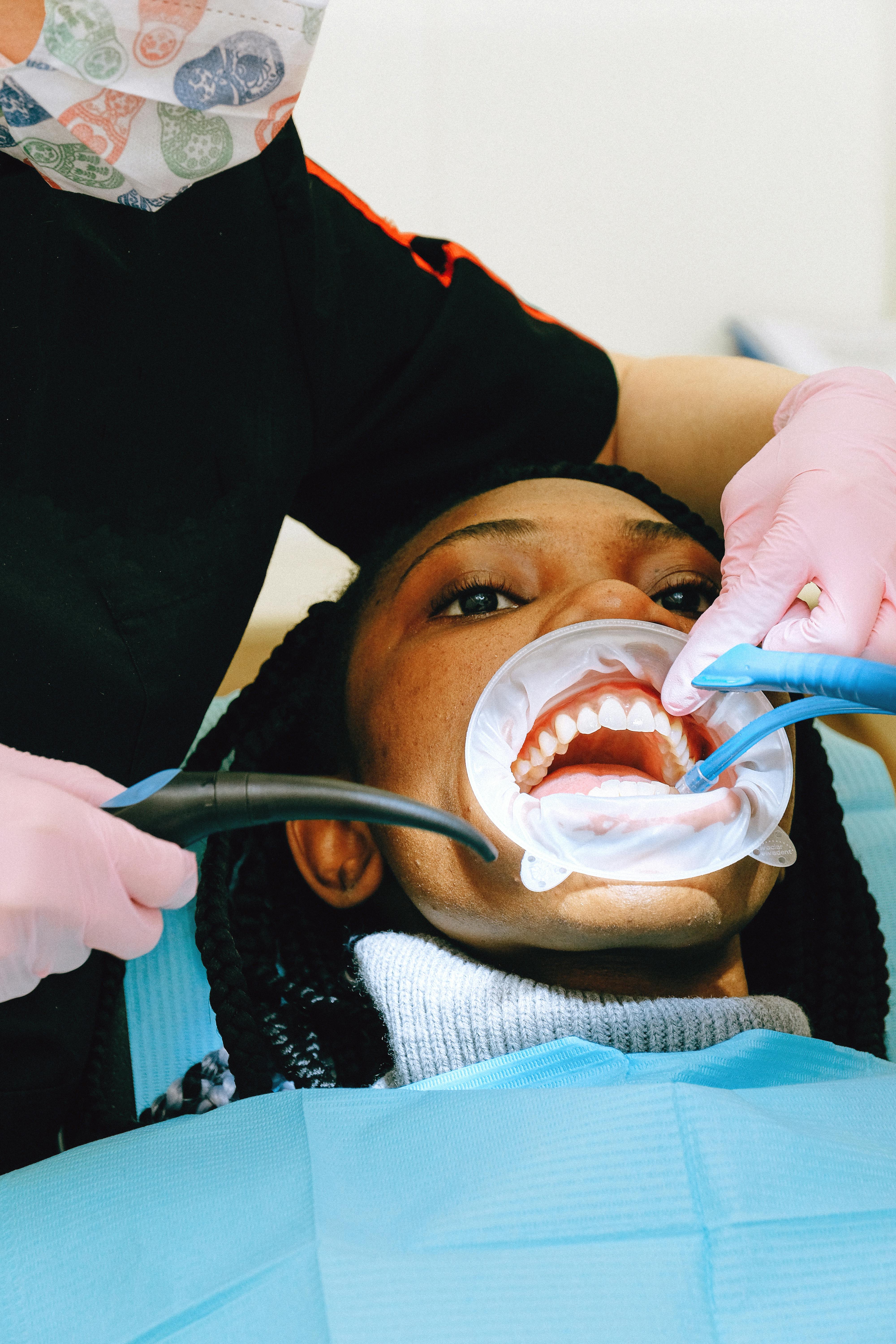
High-quality diagnostics lead to better treatment plans. Dentists who value precision use tools like digital X-rays, intraoral cameras, and 3D scanners to gain detailed information about a patient’s oral condition. This data helps identify problems early and reduces the risk of unnecessary procedures.
Treatment Planning with Attention to Detail
Whether preparing for a filling, crown, or orthodontic solution like Invisalign Elwood, precision in planning directly impacts the outcome. Detailed mapping of tooth movement, bite alignment, and jaw position allows the dentist to create customised care plans with predictable results.
Restorations That Fit
Fillings, crowns, veneers, and bridges must fit properly to function well and feel natural. Dentists who prioritise precision ensure that restorations are shaped and placed with high accuracy. They take extra time to check bite alignment and refine results as needed.
Building Trust Through Communication and Consistency
Trust is the foundation of any successful patient-practitioner relationship. Dentists earn trust by being consistent, transparent, and focused on patient goals.
Listening to Patient Needs
Dentistry that prioritises trust begins with listening. Patients should feel heard and respected, whether they are expressing concerns, asking questions, or discussing treatment preferences. A patient-centred approach encourages open communication and long-term cooperation.
Explaining Treatments Clearly
Many people feel anxious when they don’t understand what is happening in their treatment. Dentists build trust by breaking down procedures in plain language, offering visuals, and discussing options. This allows patients to feel informed and in control.
Consistency in Care
Seeing the same dentist over time helps build familiarity and trust. Continuity allows the practitioner to track progress accurately and gives patients confidence in the recommendations they receive. Trusted care means patients are more likely to act on advice and attend follow-ups.
Gentle Orthodontic Care with a Focus on Comfort
Straightening teeth is no longer a rough or intrusive process. Invisalign Elwood and similar modern solutions offer a comfortable way to improve alignment without drawing attention or causing discomfort.
Clear Aligners Over Traditional Braces
Clear aligners offer a more comfortable alternative to metal braces. They are made from smooth, medical-grade plastic and designed to fit snugly around each tooth. This reduces irritation to the cheeks and gums and allows for easier speaking and eating.
Precision in Movement
Each aligner set is engineered to move teeth slightly over time. Dentists use digital scans to ensure each movement is accurately planned. The result is a more predictable journey, fewer adjustments, and a shorter overall treatment time in many cases.
Convenience and Confidence
Because aligners can be removed during meals and brushing, they make daily life more manageable. Patients can maintain oral hygiene without difficulty, leading to healthier gums and teeth during treatment.
Preventative Dentistry Rooted in Trust
Preventative care is more effective when patients trust their provider and feel comfortable during visits. Trusted practitioners can identify early signs of decay, gum disease, or bite issues, which can be corrected before more serious damage occurs.
Regular Cleanings and Examinations
Routine visits allow for professional cleaning and close examination of all dental surfaces. Dentists focused on prevention take their time to clean thoroughly and check for early signs of issues. These visits can also include fluoride application or sealants when appropriate.
Tailored Home Care Advice
A personalised routine is more likely to be followed. Dentists who build trust offer home care guidance based on the patient’s lifestyle, oral health history, and goals. They may recommend specific toothbrush types, flossing techniques, or rinses without overwhelming the patient with generic advice.
Tracking Progress Over Time
Maintaining accurate records and reviewing changes at each visit ensures that early signs of wear, gum recession, or bite changes don’t go unnoticed. This consistent attention helps patients feel supported and informed.
Restorative Treatments Designed for Comfort and Accuracy
When restorative treatment is needed, dentistry that prioritises comfort, precision and trust makes a significant difference in the outcome and experience.
Tooth-Coloured Fillings and Minimally Invasive Repairs
Modern materials allow dentists to repair cavities without using metal or causing discomfort. Small cavities can be treated with composite resin, applied and cured with minimal sensitivity and often in a single visit.
Crowns and Bridges with Natural Fit
Crowns restore strength to damaged teeth. Dentists focused on precision ensure these fit seamlessly and align properly. Temporary crowns are used with care to prevent irritation, and permanent crowns are colour-matched for a natural appearance.
Replacing Missing Teeth
Tooth loss affects not just appearance, but chewing and speech. Dentists offering precision-based care can provide implants, bridges, or dentures that restore function while matching the rest of the patient’s smile. These procedures are done with attention to both aesthetics and long-term performance.
Technology That Supports Better Care
Advanced tools make it easier to deliver care that meets high standards of comfort, accuracy, and dependability.
Digital Scanning and Imaging
Old-fashioned moulds can be messy and uncomfortable. Digital scanning creates a fast, accurate model of the mouth without discomfort. These images are used for everything from clear aligners to crowns.
Laser Dentistry
Lasers reduce the need for drilling and cutting in some procedures. They offer more precise results and often reduce healing time. This makes them ideal for treating gum conditions or preparing a tooth for restoration.
Real-Time Monitoring Tools
Some clinics use cameras and sensors to show patients what’s happening during treatment. This can improve transparency, make explanations clearer, and build trust during complex procedures.
Frequently Asked Questions
What makes a dental practice focused on comfort?
A comfort-focused dental clinic offers gentle techniques, listens carefully to concerns, and provides options like sedation or topical numbing. The entire environment is arranged to reduce anxiety and make treatment more pleasant.
How does precision improve dental treatment?
Precision ensures that each treatment—from fillings to aligners—is done accurately, reducing complications and improving long-term results. It also means fewer adjustments and a smoother healing process.
Why is trust important in dentistry?
Trust allows patients to feel safe, ask questions, and follow through with recommended care. It improves cooperation, reduces fear, and contributes to better oral health over time.
Conclusion
Dentistry that prioritises comfort, precision and trust supports lasting oral health while reducing the stress many people associate with dental care. By offering accurate diagnostics, clear communication, and a gentle touch, this approach transforms the patient experience.
Whether it’s a routine clean, restorative treatment, or orthodontic care like Invisalign Elwood, patients benefit from a service model built around their wellbeing.
Modern dentistry doesn’t just treat problems—it builds confidence. With thoughtful care and the right support, a healthy, functional, and attractive smile is more achievable than ever.
