

Oral health care is about more than fixing issues as they arise—it’s about keeping your smile strong and functional for life. Dentistry focused on long-term smile stability is an approach that combines prevention, tailored treatments and ongoing support.
Whether you’re due for a check-up or planning a more comprehensive restoration, it’s worth finding a provider who understands the value of sustainable care. Searching for a dentist near me Elwood can connect you with clinics that deliver care designed to protect and preserve your smile through every stage of life.
The Importance of Smile Stability Over Time
A stable smile is one that maintains alignment, function and strength with minimal intervention. Teeth, gums and jaw joints all play a role in this balance, and good dentistry looks at the whole picture rather than isolated problems.
Preserving Natural Tooth Structure
The longer you keep your natural teeth, the better your long-term outcomes. Teeth that are maintained with minimal intervention last longer and provide better function than prosthetics.
Supporting Jaw and Bite Health
If a bite is unbalanced or teeth shift out of position, it can lead to chronic pain, enamel wear and even tooth loss. Stability-focused care ensures the jaw remains aligned and the bite is evenly distributed.
Preventing the Cycle of Retreatment
Teeth that are overtreated or improperly restored may require multiple repairs over the years. Dentists focusing on smile stability aim to provide solutions that last, avoiding unnecessary rework and disruption.
Preventative Dentistry for Long-Term Results
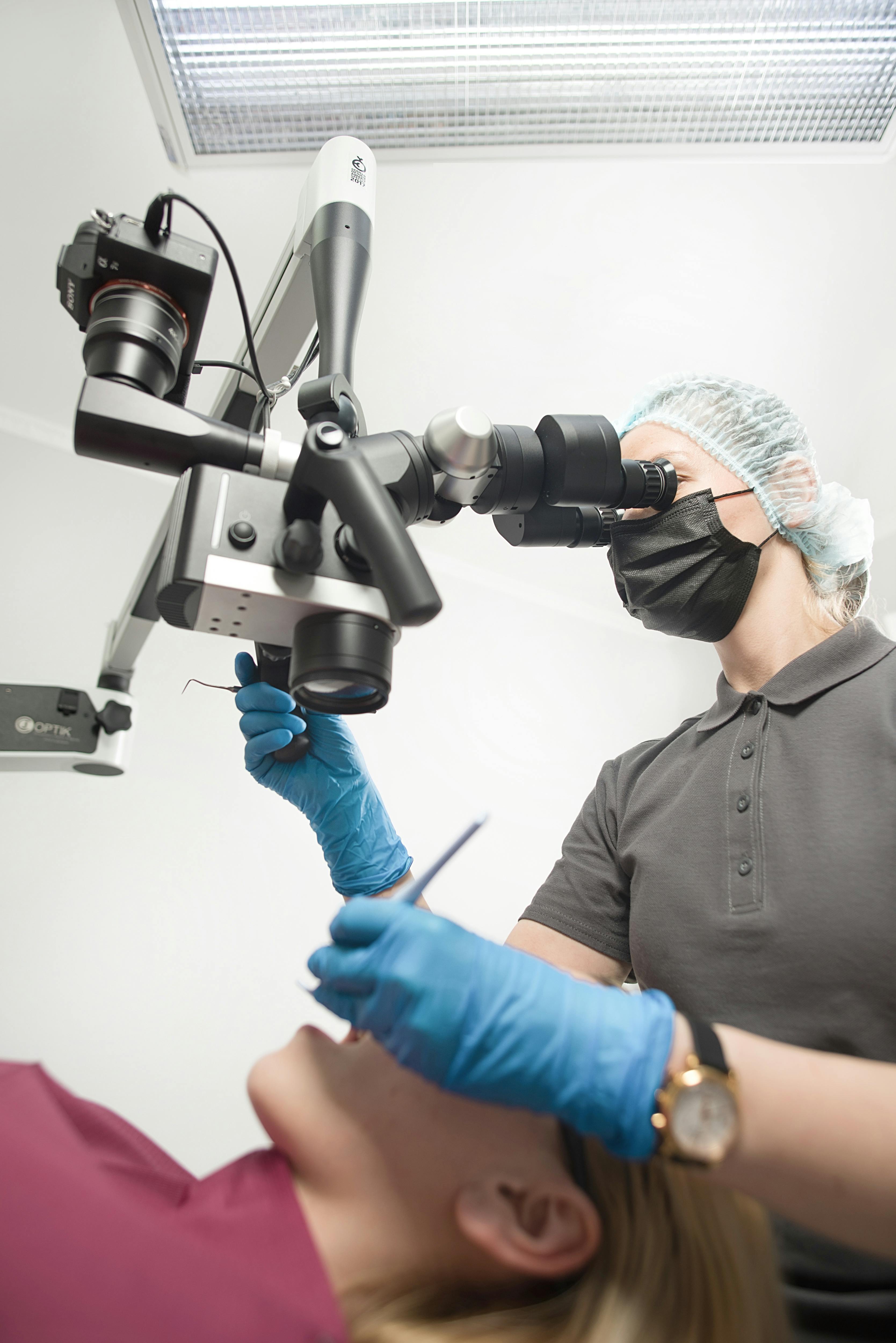
Dentistry focused on long-term smile stability starts with prevention. When teeth and gums are cared for consistently, they’re far less likely to need complex treatment later.
Check-Ups and Professional Cleaning
Routine visits help monitor gum health, track enamel wear, and detect signs of disease early. Professional cleaning removes plaque and tartar build-up, lowering the risk of decay and gum disease.
Risk-Based Appointment Schedules
Rather than applying a one-size-fits-all schedule, stable smile dentistry uses a risk-based model. Patients with good oral hygiene and low risk may only need annual visits, while others may benefit from more frequent monitoring.
Preventative Treatments
Topical fluoride, fissure sealants and dietary advice are all part of an ongoing prevention plan. These simple measures help reinforce enamel and protect vulnerable areas, particularly in children and teens.
Restorative Dentistry That Prioritises Longevity
When restorative treatment is needed, long-term stability is a key goal. Materials, design and function are considered together to support lasting success.
Tooth-Coloured Fillings with Minimal Invasion
Modern composite fillings bond directly to the enamel and require less removal of healthy structure. They’re shaped to support the natural bite and resist future breakdown.
Inlays and Onlays
These custom restorations offer a middle ground between fillings and crowns. They strengthen large cavities or worn-down teeth without the full coverage of a crown, preserving more of the natural tooth.
Crowns Designed for Durability
When crowns are needed, digital scans and quality materials ensure a snug fit and natural feel. The tooth is prepared conservatively, and placement is monitored during follow-up appointments.
Orthodontics That Protect and Preserve
Straightening teeth is about more than appearance—it’s about bite function and long-term alignment. Stable orthodontic outcomes support health far beyond the cosmetic.
Early Intervention for Bite Issues
For children and teens, interceptive orthodontics can guide jaw growth and reduce the severity of future misalignment. Palatal expanders and removable plates may be used to prepare the mouth for permanent teeth.
Adult Aligners with Retention Planning
Clear aligners are popular with adults and offer a discreet option for correction. After treatment, retainers are custom-fitted and maintained to prevent teeth from shifting back into their original position.
Ongoing Bite Assessment
Post-treatment, dentists continue to monitor the bite. Any changes in muscle activity, jaw pain or wear patterns are addressed early to maintain the position of the teeth.
Gum Health and Its Role in Smile Stability
Gums are the foundation of every smile. Stable teeth rely on strong, disease-free gums to stay anchored and aligned.
Monitoring Gum Pockets
Routine periodontal checks measure the depth of gum pockets around each tooth. Increased depth can signal early gum disease, which may lead to bone loss if not addressed.
Non-Surgical Periodontal Care
Scaling and root planing remove bacteria below the gum line, allowing tissues to heal. These treatments help prevent gum recession and maintain the structural support for each tooth.
Maintenance Plans for At-Risk Patients
Patients with a history of gum disease may need more frequent hygiene visits and a home care routine that includes antibacterial rinses or tools like water flossers.
Managing Teeth Grinding and Bite Imbalances
Clenching, grinding, or bite misalignment can affect enamel, joints and muscle function over time. Early identification and treatment preserve the smile’s strength and comfort.
Custom Night Guards
Occlusal splints or night guards reduce the pressure on teeth during sleep. They also protect dental work and prevent symptoms like jaw pain or tension headaches.
Bite Analysis and Adjustments
Digital bite analysis and articulating paper are used to identify areas of high pressure. Small reshaping adjustments may be made to ensure even force distribution across all teeth.
Addressing Stress and Lifestyle Factors
Stress is a major contributor to grinding and clenching. Dentists often work alongside GPs or physiotherapists to address broader issues like posture or anxiety that affect the jaw.
Tooth Replacement That Maintains Stability
Missing teeth can lead to surrounding teeth shifting out of position. Replacing them restores function and keeps the bite balanced.
Dental Implants for Long-Term Support
Implants are embedded in the jawbone, preserving bone density and preventing surrounding teeth from drifting. They’re ideal for patients who want a permanent, low-maintenance solution.
Fixed Bridges for Multi-Tooth Loss
Bridges fill the gap left by one or more missing teeth. They are designed to match the bite and distribute force evenly across the supporting teeth.
Removable Dentures with Precision Fit
For patients who prefer or require removable options, modern dentures are designed to fit snugly and prevent rubbing or movement. Regular reviews ensure continued comfort and function.
Supporting Smile Stability in All Ages
From early childhood to later adulthood, the needs of a stable smile change. Ongoing monitoring, tailored education and personalised treatment plans keep everything on track.
Children’s Growth and Tooth Development
Children benefit from early screenings, dietary advice and education on brushing technique. Tracking how the jaw and teeth develop allows early problems to be corrected with less effort.
Adult Preventative Maintenance
Adults in their 30s to 50s often focus on maintenance. This includes regular exams, whitening options, gum care, and conservative restorative treatments when necessary.
Ageing and Oral Health
Older adults face risks like dry mouth, root decay and bone loss. Dentists work with patients to manage medications, adjust hygiene tools, and plan for prosthetic support if required.
Technology That Supports Long-Term Outcomes
Modern tools improve the accuracy and durability of treatment while making procedures more comfortable.
Digital X-Rays and Scans
These allow dentists to view the full structure of the teeth and jaw, helping guide decisions that protect against future complications.
Intraoral Cameras
Patients are shown what the dentist sees. This helps with understanding treatment plans and builds trust in long-term care strategies.
3D Printing and CAD/CAM Technology
Crowns, bridges and aligners can be crafted with precision. This reduces time in the chair and ensures better fitting, longer-lasting restorations.
Frequently Asked Questions
What is dentistry focused on long-term smile stability?
This is an approach that prioritises keeping teeth and gums healthy, aligned and functional over time. It includes preventative care, conservative restorations and bite management to avoid future complications.
How do I find the right provider for long-term care?
Start by searching for a dentist near me Elwood who offers preventative and comprehensive care. Look for clinics that focus on patient education, use modern technology and discuss multiple treatment options based on long-term benefits.
Is orthodontic work part of smile stability?
Yes. Straight teeth are easier to clean and reduce the risk of jaw pain or enamel wear. Aligners or braces, followed by long-term retention, are essential for keeping the smile stable over the years.
Conclusion
Dentistry focused on long-term smile stability is about more than appearance—it’s about health, balance and confidence that lasts. With a focus on prevention, minimally invasive treatment and patient education, this model supports oral wellbeing at every life stage.
Whether you’re looking for a routine clean or planning treatment for a more complex concern, starting with a dentist near me Elwood who offers a stability-focused approach can make all the difference.
Your smile is not just something to maintain today—it’s a foundation for your comfort, health and quality of life in the years ahead. By choosing care that’s designed to last, you invest in a future where your teeth continue to serve you well.
